Get up-to-date safety tips and expert advice to help your fleet stay safe on the road.
Most fleet owners have never had someone walk through what a CSA percentile actually measures versus what it doesn’t — and the gap matters most right after a crash. This post breaks down the Unsafe Driving BASIC in plain terms, explains why a percentile ranking isn’t the same as a risk score, and lays out how FMCSA’s DataQ program and preventability determinations work for fleets contesting an inaccurate violation. CTA: Have a question about CSA scoring? Drop a commentMost fleet owners have never had someone walk them through what a CSA percentile actually measures versus what it doesn't — and the gap matters most right after a crash. This post breaks down the Unsafe Driving BASIC in plain terms, explains why a percentile ranking isn't the same as a risk score, and lays out how FMCSA's DataQ program and preventability determinations work for fleets contesting an inaccurate violation. CTA: Have a question about CSA scoring? Drop a comment
On December 1, the FMCSA expanded the Crash Preventability Determination Program (CPDP) to now include 21 eligible crash types for review. There's now expanded eligibility for current crash types to include indirect strikes and four new crash types.
Ensuring the well-being of drivers on the road is a top priority, especially during the challenging winter months. With harsh weather conditions such as snow, ice, and freezing temperatures, the risks increase significantly. Preparing drivers for these conditions is not just about compliance; it’s about safeguarding their lives, reducing risks of accidents, and keeping operations running smoothly.
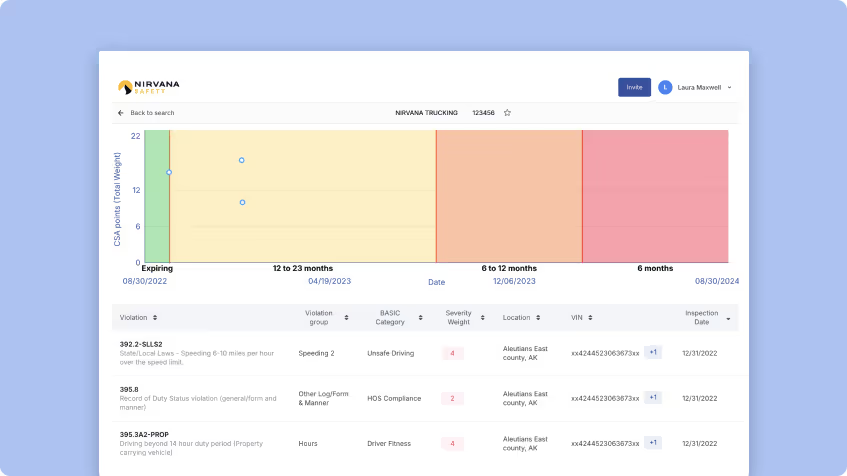
Violations are among the most critical metrics for Safety Managers to monitor daily. We understand that checking the FMCSA portal can be cumbersome, with data that’s difficult to manipulate, analyze, or use for trend analysis. With our new FMCSA Violations notifications, you’ll have the crucial information you need delivered directly to your inbox, making it easier than ever to stay on top of compliance and enhance fleet safety.
As the average summer temperature has gone up, so has the frequency of truck fires. Truck fires due to mechanical reasons increase during the summer months, and dramatically increase during the hotter afternoon hours. It is important to understand what causes truck fires, and what to do when they occur.
Tires are a significant investment for any fleet, and taking care of them properly ensures safer and more efficient operations.
A high crash BASIC score can have serious consequences for fleets, impacting insurance rates, compliance, and overall business reputation.
Eliminating distracted driving can be the key to avoiding disastrous road incidents, keeping cost down and operations smooth.
While AI and safety systems are valuable tools, human awareness and proactive actions remain key to achieving the highest level of safety.s
Dash cams are a valuable investment in fleet safety, providing critical video evidence that can protect drivers, improve safety practices, and reduce liability.
FMCSA BASIC - is it the right measurement for fleet safety or a misleading score that causes unnecessary increases in premiums?
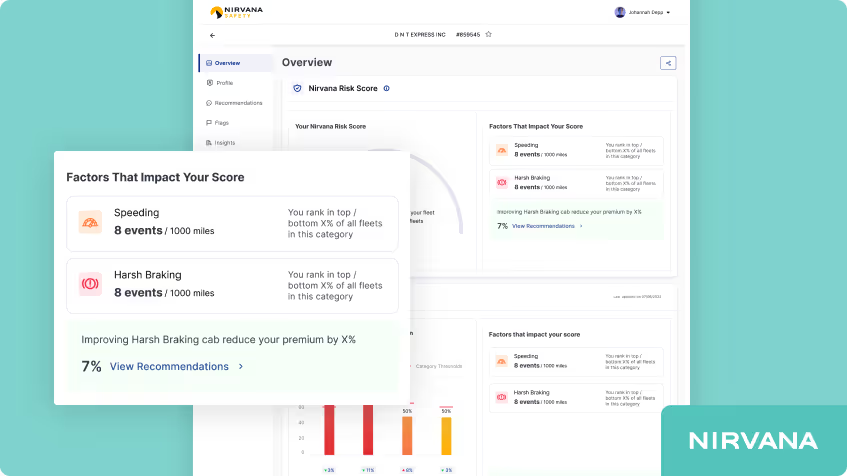
Two fleet carriers with similar operations and driver profiles apply for coverage. Once we added in telematics data, they no longer looked the same. Learn how telematics data can aid in premium insurance pricing and reduce a fleet’s risk factors.
Soaring insurance costs are an increasing concern for trucking. The unpredictability of renewal rates and the potential threat of being dropped entirely is making renewal a dreaded annual event. In-cab telematics can reduce accidents, improve efficiency, reduce insurance costs, and help build more accurate and predictable risk models.