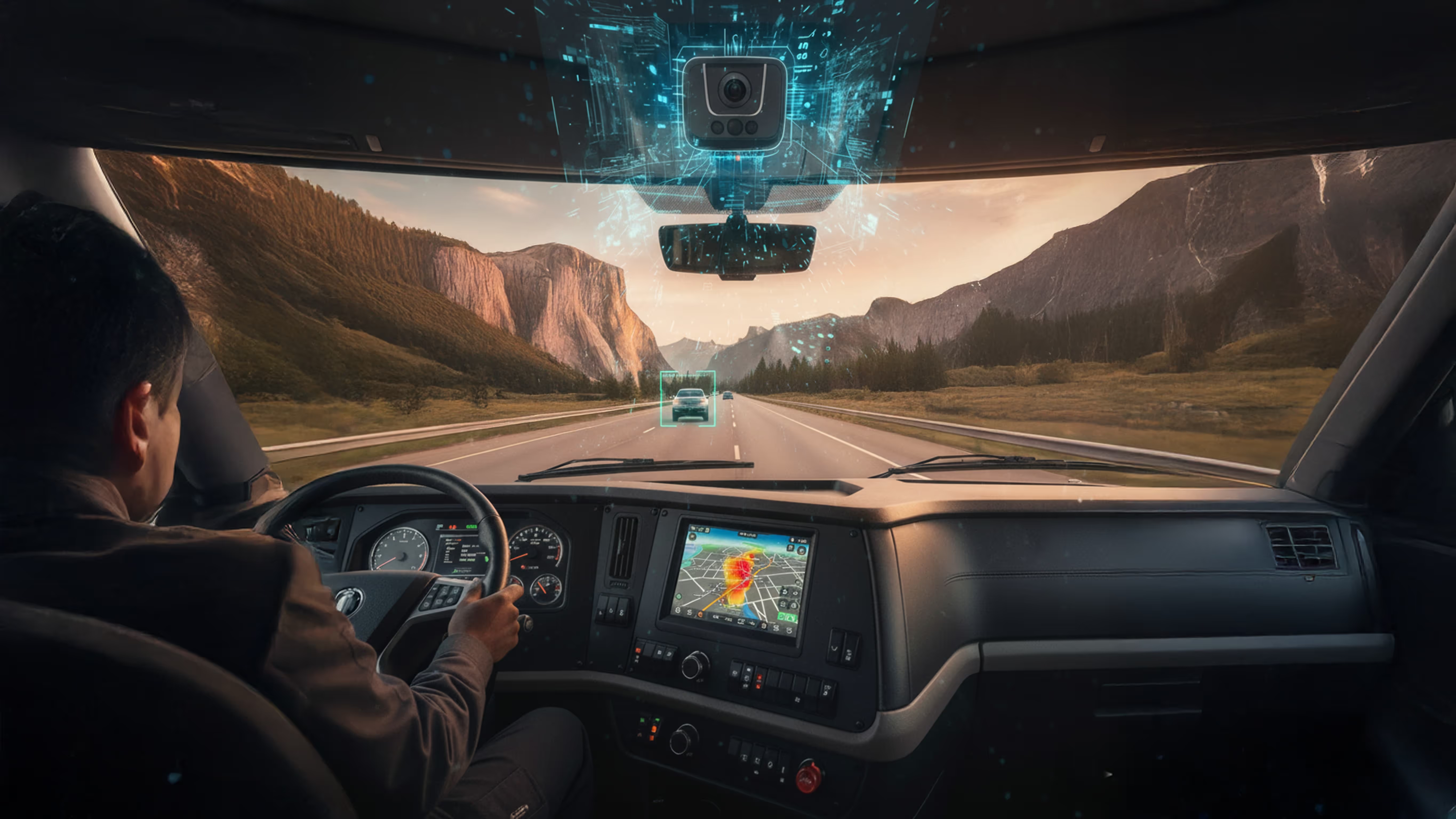
Telematics data builds a more accurate story of fleet risk. It can help you advise them on safety recommendations, and choose the right coverage for their business.
Historically, underwriters determined a fleet’s risk using their Federal Motor Carrier Safety Administration (FMCSA) score. Underwriters typically only have access to data from roadside inspections and investigations and are expected to use this as a window into the carrier’s safety performance and compliance.
But there are costly limits to relying on just FMCSA scores to assess risk. Since they’re often weighed heavily on a single moment in time, the scores don’t accurately reflect the safety record of the entire fleet over time.
As a result, insurance premiums are often judged solely on a few moments; like a large loss, driver violation, or an unfavorable FMCSA score. Using telematics data, underwriters can get a much richer view into a fleet’s performance over time, which leads to more accurate pricing that reflects the true exposures.
Here’s the thing: Since 2017 the federal government has required trucks to install telematics devices called ELDs (Electronic Logging Devices), which include sensors to track everything from speed to hard braking. That key information has so far been largely ignored by the big legacy fleet insurers, who tend to increase rates across the board rather than reward the safer fleets.
The story telematics gives your underwriter
Information such as vehicle patterns, route congestion, and driving behavior are invaluable when pricing insurance coverage. As opposed to the traditional use of infrequent points of data like inspections, telematics provides new insights into how fleets are performing every day.
Using telematics to price insurance coverage gives underwriters new avenues to build a more accurate picture of fleet risk. Data points like GPS and camera data provide comparative insights into how a firm stacks up against its peers and more.
Here are four pieces of data that only telematics can give your underwriter. With real, in-cab data like this, your premiums can improve.
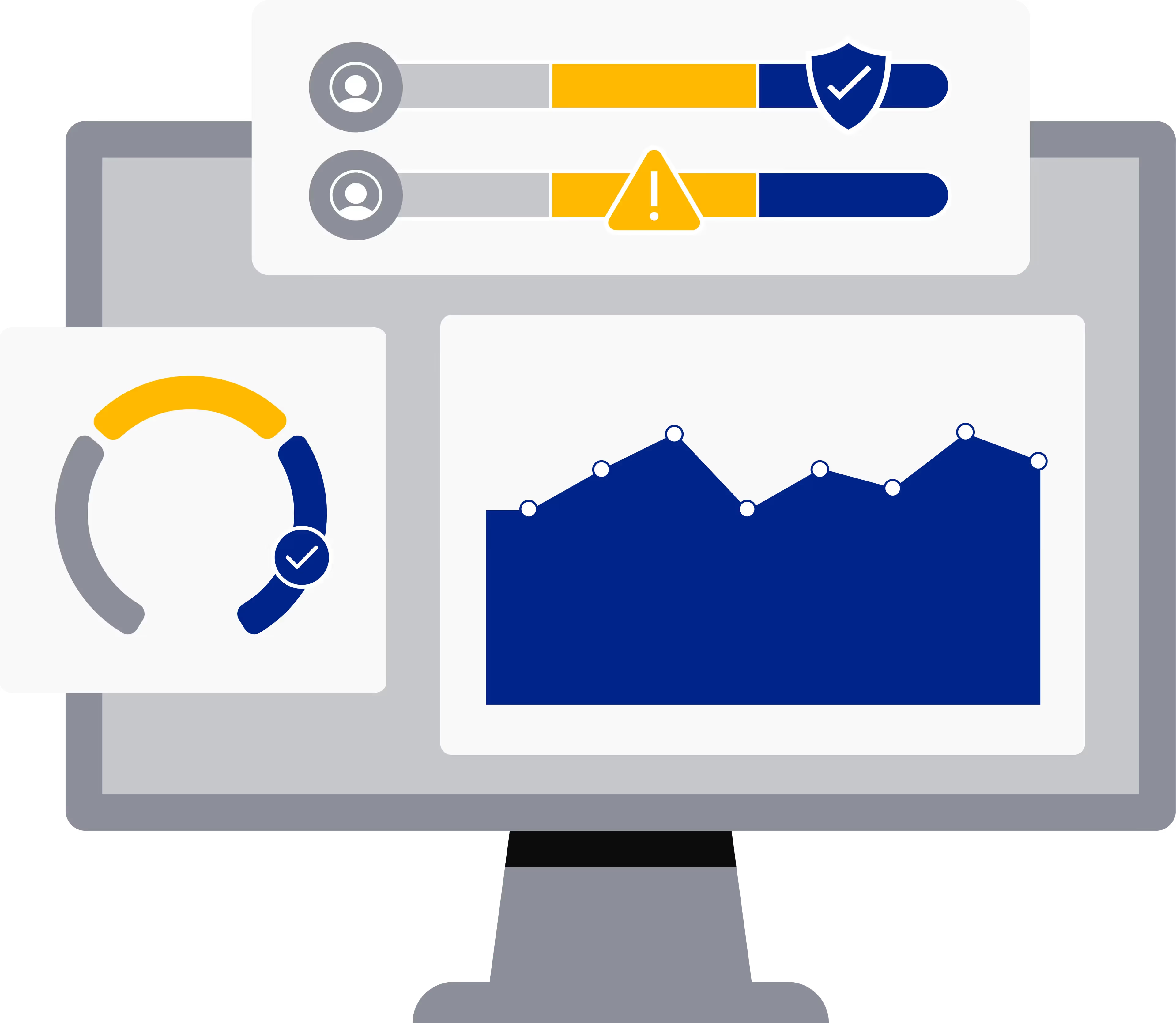
It’s all about data
Today’s telematics are providing the kind of detailed information brokers and underwriters alike could only dream about when you had to rely almost exclusively on FMCSA scores. The versatility of this data, combined with its ability to provide major improvements to safety and productivity in the trucking industry, guarantees that these new methods of collecting vital information will continue to play an instrumental and expansive role in commercial transportation.
Find out more about Nirvana’s underwriting of your fleet’s client risk by visiting Nirvana Insurance.

.avif)