As 2025 unfolds, the trucking industry is being shaped by a convergence of trends that reflect both ongoing challenges and transformative opportunities. These five key developments are not just shaping the present but also redefining the future of trucking, offering insights into how fleets and insurance agents can adapt to an evolving landscape.
1
Rising costs mitigated by the push for telematics-powered insurance
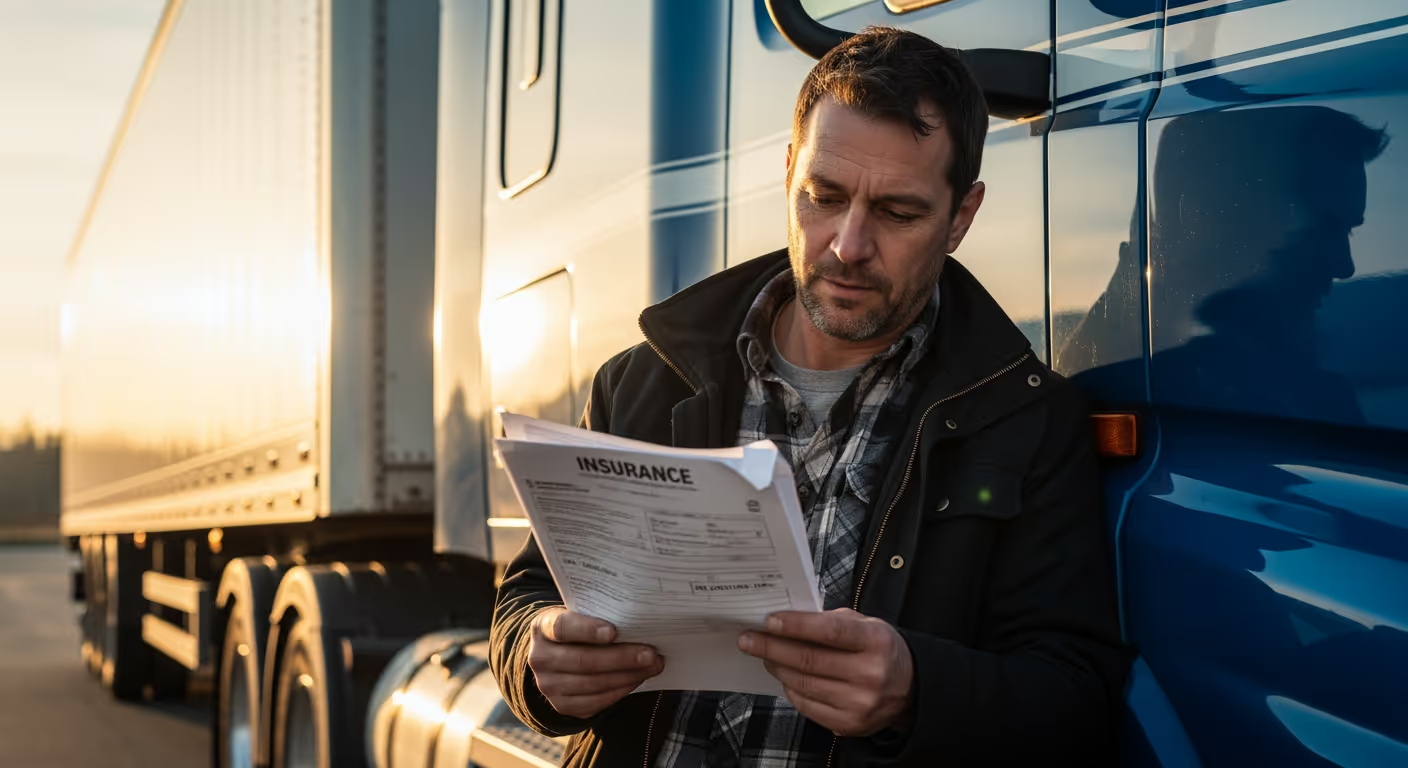
Fleet insurance costs have been climbing steadily, with rates increasing by an average of 9.28% in 2024. This trend has been fueled by inflationary pressures, nuclear verdicts, and an increasingly litigious environment where commercial vehicle accidents are targeted for legal exploitation. Traditional insurance models often group fleets into broad risk categories, leading to rate hikes that don’t always reflect a fleet’s actual safety performance.
Telematics-based underwriting is transforming the industry by using real-time data to assess risk more accurately. Metrics such as speed, braking patterns, and hours of service (HOS) allow insurers to offer fairer pricing. Fleets with strong safety records can qualify for discounts, while higher-risk profiles are incentivized to improve. This trend is redefining how risk is assessed and priced, creating opportunities for fleets to control costs through improved safety.
According to our Co-founder and CEO, Rushil Goel: “Insurance rates are going up, but telematics-driven underwriting allows fleets to take advantage of their driving behavior. If you even get 10% safer, your costs stay flat or even go down.”
2
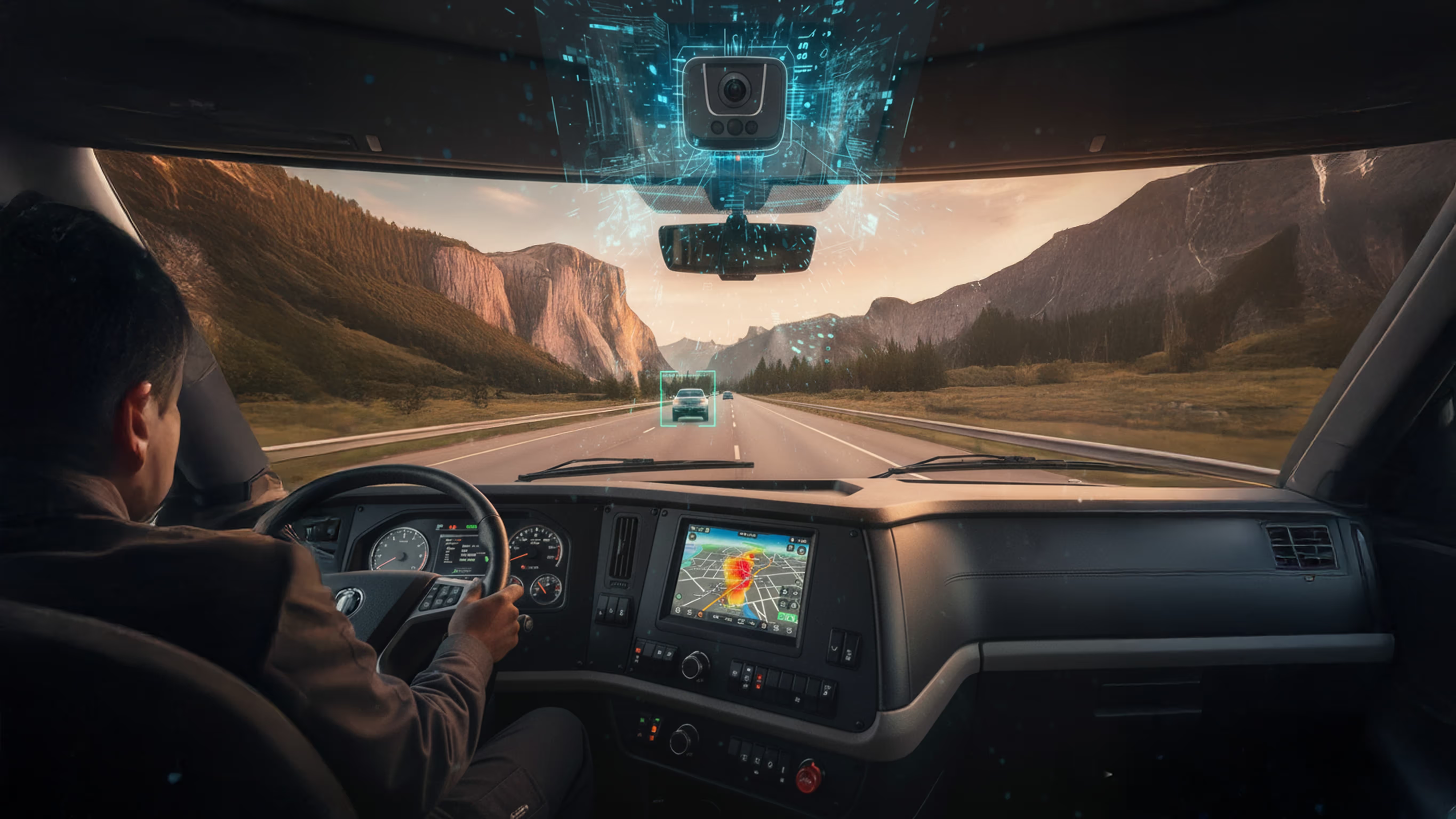
Growing adoption of in-cab cameras
Video telematics is becoming a cornerstone of modern fleet operations, with adoption expected to grow at a compound annual growth rate (CAGR) of 19.0% in North America, reaching 11.7 million installed systems by 2028.
Nirvana is seeing approximately 70% of fleet customers already using in-cab cameras. These tools help prevent accidents, provide a single source of truth for claims, and support driver coaching initiatives.
Video telematics data enables fleets to identify high-risk behaviors such as hard braking or tailgating and address them through targeted coaching. Insurance carriers are also leveraging this technology to improve underwriting accuracy and speed up claims processing, driving operational improvements across the industry.
3
The expanding role of AI in insurance
Artificial intelligence is emerging as a transformative force in the trucking industry, supporting everything from risk assessment and dynamic pricing to claims handling and safety interventions. By automating data analysis, AI enables fleets to identify trends, streamline processes, and focus on high-impact improvements.
Our Director of Claims, Mario Brown-Westbrook, explains: “We’re using AI to help with claims handling and safety recommendations in real time. It enables faster claims resolution and improves underwriting decisions.”
Claims can now be reported online (2× faster), by email, or by phone, with guaranteed responses within 48 business hours. Resolution times are now 5× faster, with weekly email updates and real-time status access via the Safety Intelligence Platform.
As fleets adopt AI-driven tools, they are seeing meaningful gains in both cost reduction and operational efficiency.
4
The rise of usage-based insurance (UBI)
Usage-based insurance (UBI) is gaining momentum as fleets seek more flexible pricing models. Instead of fixed monthly premiums, UBI aligns insurance costs directly with miles driven.
The global UBI market is projected to reach $309.5 billion by 2032, growing at a CAGR of 20.85%. This model is especially valuable for small and mid-sized fleets, allowing them to eliminate insurance costs when trucks are idle.
As Rushil explains: “With spot rates down and profitability strained, paying only for the miles you drive is incredibly compelling. This approach allows fleets to treat insurance as a variable cost and adapt to market conditions.”
UBI reflects how insurance products are evolving to meet the real-world needs of fleets in a dynamic and competitive industry.
Transforming challenges into opportunities with the right partner
As industry trends continue to evolve, fleets need more than an insurance carrier—they need a partner committed to their success.
Insurers that embrace modern technologies, usage-based pricing, telematics-powered claims resolution,and AI-driven safety insights are uniquely positioned to help fleets navigate 2025.
For insurance agents, these innovations offer a chance to differentiate in a competitive market,strengthen client relationships, and deliver real value.
To learn more about telematics-powered fleet insurance, visit:nirvanatech.com