Whether drivers are newly hired or seasoned professionals, ongoing training ensures the fleet operates smoothly and safely. Even experienced drivers have areas to improve or habits to correct, and without a structured training program, those issues can lead to costly mistakes. Training a fleet of drivers effectively can lead to fewer incidents, better customer service, improved efficiency, reduced downtime, and enhanced safety scores.
Many companies have initial training for new drivers, but fewer offer recurrent training or corrective action once orientation is complete. A comprehensive fleet training program should include three key components: initial training, recurrent training, and corrective action training. Let's explore each one and how it can positively impact a fleet.
Why initial training is crucial for every new hire
Every fleet needs a robust training program for new drivers. It’s not enough to assume that a driver with a commercial driver’s license (CDL) and a few years of experience is fully prepared for the road. Drivers coming from other companies may not have been properly trained at their previous jobs, or they may bring bad habits with them.
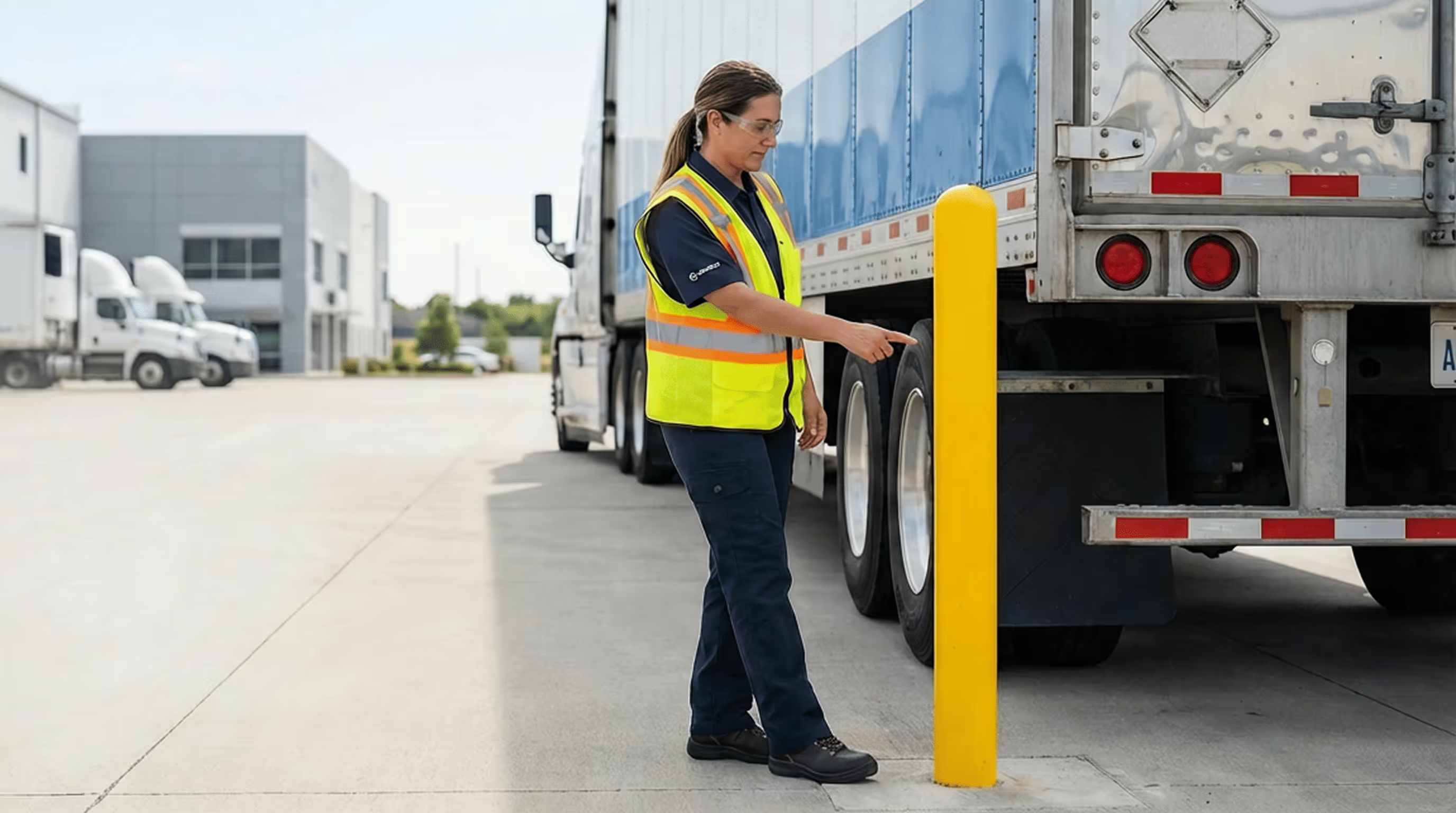
By providing thorough training on key areas such as log completion, pre-trip inspections, and proper safety protocols, fleets can help new hires avoid accidents and ensure a strong start in their new role. Setting clear expectations from day one reduces the risk of costly mistakes early on.
How recurrent training prevents bad habits and complacency
Even the most experienced drivers can forget important details, fall into bad habits, or become complacent over time. Recurrent training serves as a refresher to remind drivers of crucial safety practices and operational procedures.
For example, after a long summer without the need to consider winter driving conditions, a refresher on handling icy or snowy roads can help prevent accidents. Recurrent training also keeps drivers current on industry changes, such as updates to Hours of Service (HOS) regulations, helping fleets avoid costly violations.
Providing this ongoing education improves safety and ensures that all drivers remain sharp, regardless of how many years they’ve been on the road.
The importance of corrective action training for preventing repeat mistakes
Corrective action training is often overlooked, but it’s one of the most critical components of a well-rounded training program. Simply warning a driver about a mistake isn’t enough to ensure it won’t happen again.
Drivers need to understand exactly what went wrong, why it was dangerous, and how to correct it moving forward. This training should be implemented whenever a driver is involved in an incident or violation.
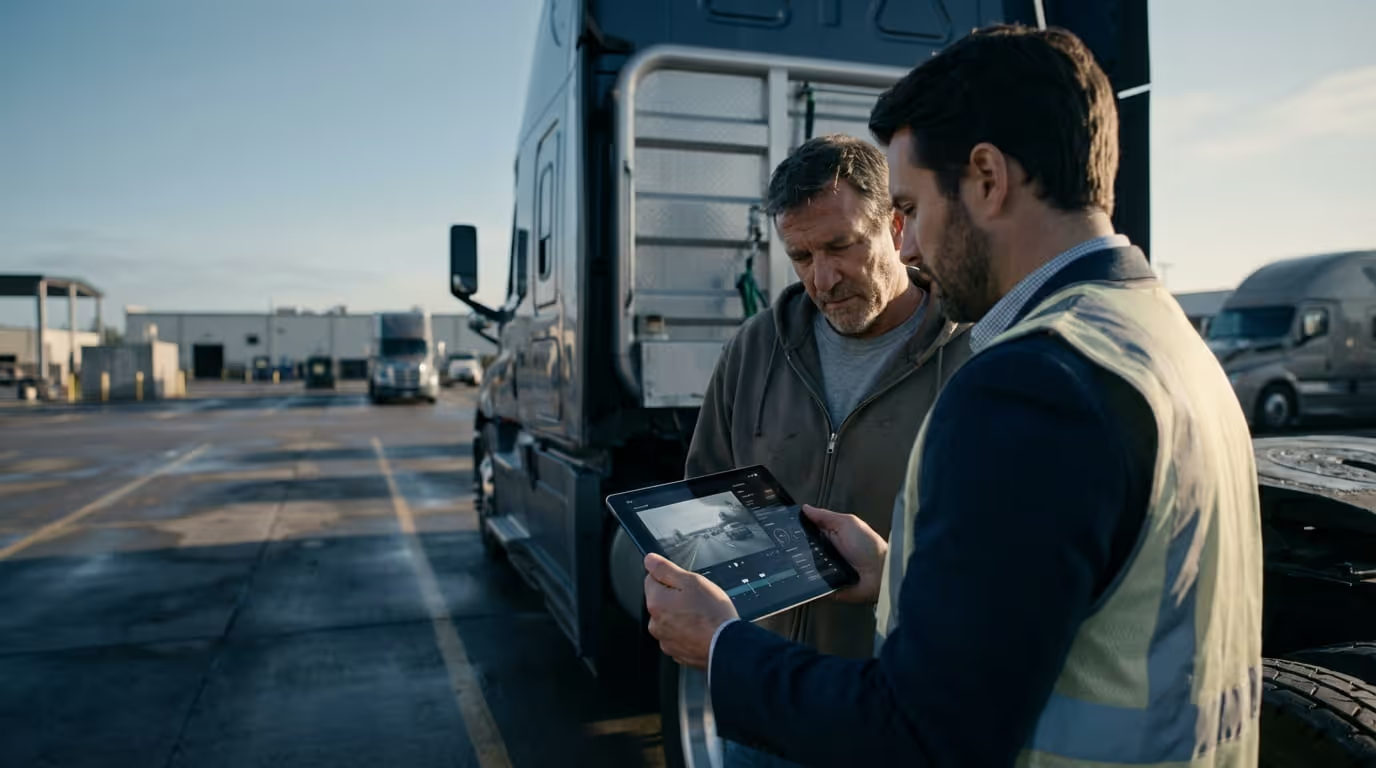
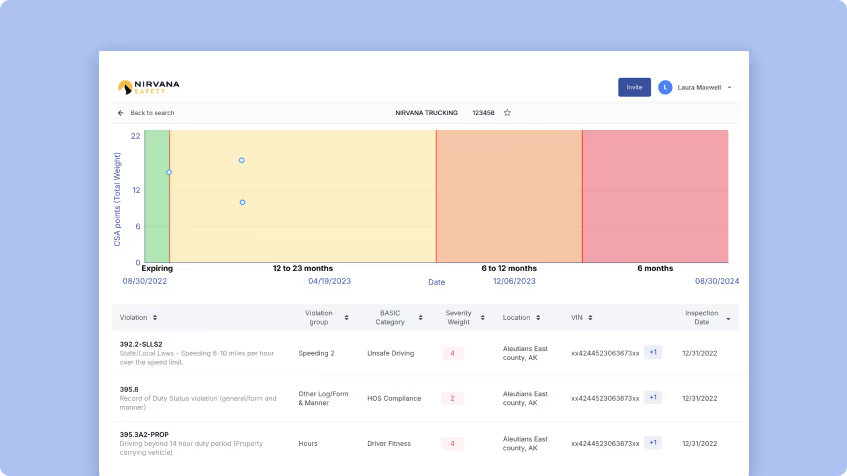
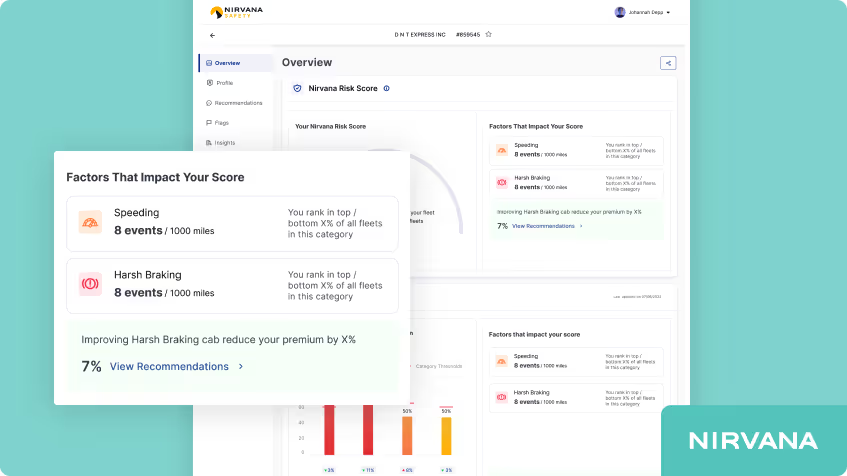
AI-powered safety intelligence tools can help fleets identify performance gaps and determine which areas of training will improve compliance and reduce violations. Without corrective action training, drivers may continue making the same mistakes, leading to recurring safety issues and inefficiencies.
Best practice: documenting fleet trainings
Proper documentation is a crucial part of any training program. If training isn’t documented, it’s as if it never happened. Accurate records should be kept for all training types—initial, recurrent, and corrective.
Each record should include the driver’s name, the training date, the provider, and the driver’s signature. This documentation is essential for regulatory compliance and performance tracking.
The value of leveraging partnerships to enhance fleet safety & performance
Many organizations and partners understand how critical training is to improving fleet safety, reducing incidents, and boosting operational efficiency. Partnering with trusted resources like Infinit-I Workforce Solutions can streamline training and ensure drivers stay up to date with safety protocols and regulatory changes.
A trusted carrier can also provide access to fleet safety managers who support ongoing improvements in safety, performance, and compliance. Training isn’t a one-time task—it’s a continuous investment in both drivers and the business.
To learn more about how Nirvana supports fleets in improving safety and performance, visit: nirvanatech.com













.avif)