Safety

4 Ways telematics insurance can help promote good driving behavior

May 8, 2025
December 17, 2025

Yet, a major shortcoming of the BASIC score is that it only evaluates moments in time — during an accident or near miss — and fails to consider the bigger picture of a fleet’s safety record over time.    

That’s where your fleet’s vehicle      telematics      come in.    

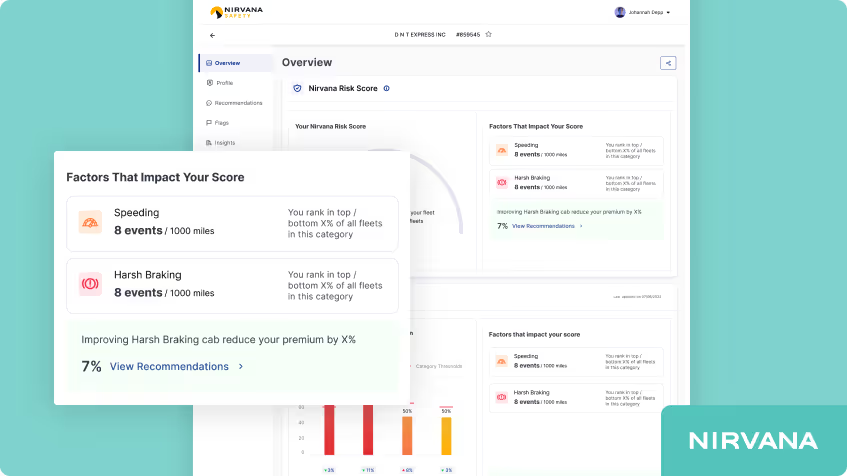
By accessing valuable electronic logging devices (ELD) data on various aspects of each driver’s performance and behavior over time, fleets can isolate areas of improvement and offer training and incentives to improve driver safety behavior.      Subsequently, with the use of      telematics insurance,      fleets benefit in the long run with a better reputation, lower premiums, enhanced profitability, and safer drivers.    

Another key aspect gleaned from leveraging your fleet’s vehicle telematics is using this data to promote good driving behavior.      Here are four tips fleets can use to accomplish this:

1

Apply the 80/20 rule to improve fleet performance

Drivers take pride in their work, and rightly so. Transportation is a vital part of the economy. By monitoring telematics data, fleets often find that unsafe driving behaviors are concentrated among a small group of drivers. Focusing safety efforts on the 20% of drivers causing 80% of the issues is more effective than spreading attention evenly.

How to implement: Identify at-risk drivers using telematics insurance data, coach them directly, and recognize top performers through incentives. Supporting both improvement and excellence builds trust and long-term retention.

2

Use your fleet’s vehicle telematics to identify driving patterns

Fleet operators must understand daily driver performance. Are drivers consistent and disciplined, or are unsafe behaviors recurring? Having this visibility allows fleets to act quickly and confidently.

How to implement: Coach drivers using telematics insights, provide targeted training to at-risk drivers, and reward safe driving behavior across the fleet.

3

Identify specific behaviors and violations to address

FMCSA BASIC scores offer limited insight due to infrequent inspections. Telematics fills this gap by identifying habitual risky behavior at a granular level.

How to implement: Use telematics data to tailor driver coaching and training programs. This approach is especially valuable for independent contractors. Nirvana partners with Infiniti Workforce to provide customers with a free 30-day trial and discounted memberships.

4

Perform regular vehicle maintenance

Vehicle condition directly affects safety and driver performance. Properly maintained trucks experience fewer accidents and help attract better drivers.

How to implement: Establish and follow maintenance schedules for fleet-owned vehicles. Offer incentives to independent contractors to encourage consistent maintenance.

The ultimate goal: driver pride

Fleets should not underestimate the pride drivers feel from safe, successful deliveries. Drivers care about how they compare to peers and want to work for fleets that value their contributions.    

Recognizing and incentivizing disciplined, safe driving builds loyalty and long-term success. This can be achieved by collecting and acting on telematics data.    

For more information on how to leverage telematics to promote good driving behavior, visit Nirvana Insurance.    

Related posts