During the months of June, July, and August 2021, for example, traffic-related deaths increased about 9%, according to the National Highway Traffic Safety Administration.[2] Overall, traffic fatalities are on the rise nationally, marked by a 16-year high in traffic fatalities in 2021.[1] Specifically, fatalities involving at least one large truck increased 13%; multi-vehicle crashes are up 16%; and daytime fatalities increased by 11% over 2020 statistics.
Keeping a lookout for common travel-related hazards can help fleet drivers from becoming a statistic.
7 tips for navigating summer driving
You may log thousands of miles a month but the fact is that not everyone on the road is as experienced a driver. Consider the following dangers you may encounter over the summer, and plan accordingly to keep you and your fleet safe.
Rear end collisions
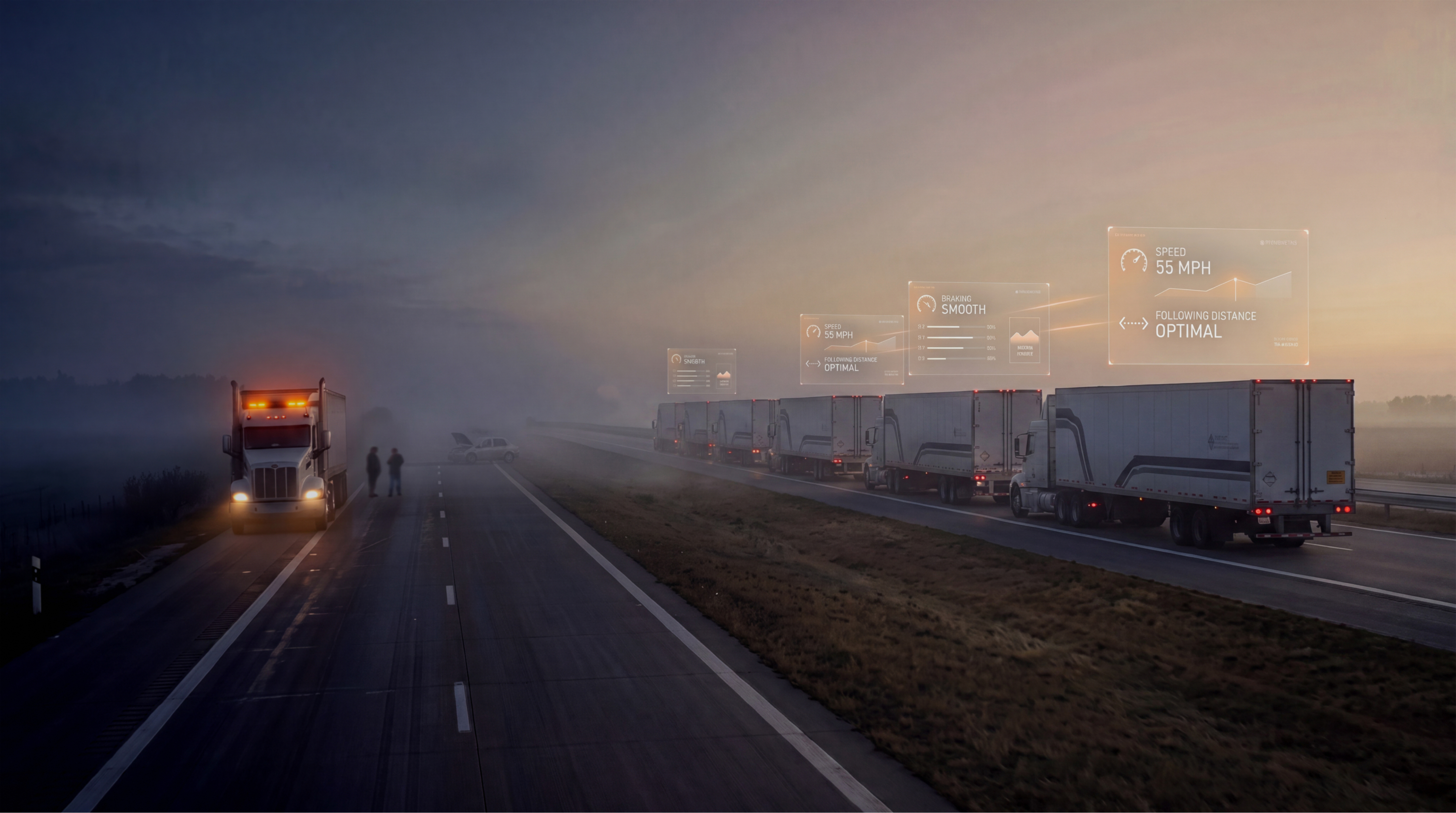
As the number one cause of accidents, rear-end collisions account for about a quarter of all road accidents.[3] Safety Tip: Keep a safe distance between your vehicle and the driver in front of you.
Wildlife
Many summertime accidents occur when truck drivers swerve to avoid an animal on the road.
Safety Tip: Don’t swerve to avoid hitting wildlife. Swerving can cause greater damage and risk to human life.
Backing into parked vehicles
Accidents associated with trucks backing into parked vehicles occur frequently.
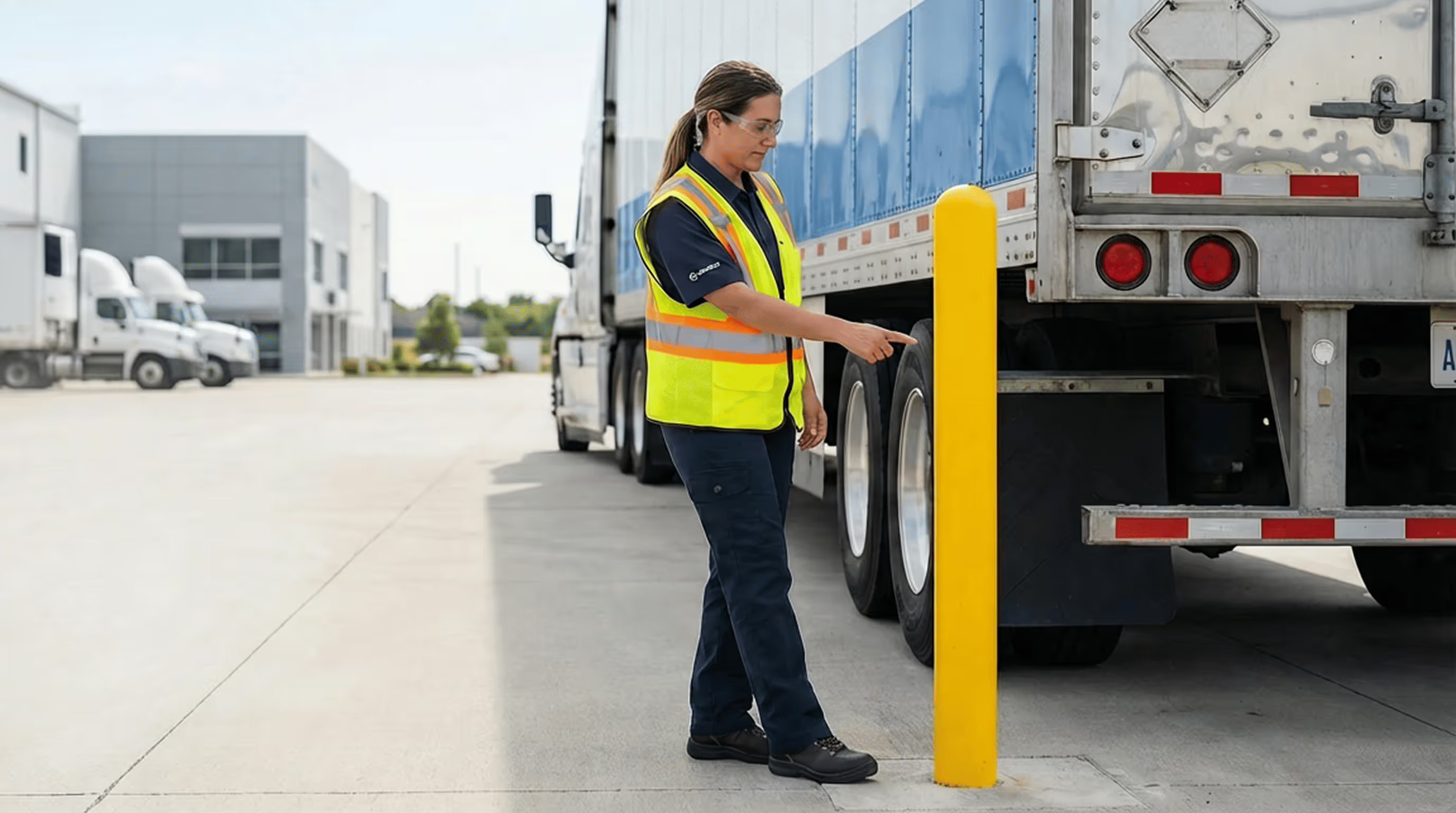
Safety Tip: Check the area behind the truck and use all mirrors and available technology before backing up
Holiday/vacation drivers
Tourists unfamiliar with roadways may brake suddenly or make unexpected maneuvers.
Safety Tip: Allow extra time and stay alert in tourist-heavy areas during holidays.
More weekend traffic
Fatal crashes most frequently occur on weekends.[4]
Safety Tip: Watch for out-of-state drivers and sudden lane changes or braking.
Hurricanes
Tropical storms are common from June to November. NOAA forecasts 14–21 named storms this season.[5]
Safety Tip: Monitor storm warnings and seek shelter when necessary.
Windstorms
Strong winds can push trucks off the road, especially in the Midwest and Plains.
Safety Tip: Monitor weather conditions and reroute when possible.
Summer advice for truckers
In addition to heightened awareness, fleets can help truckers prepare with these strategies:
- Plan ahead. Use traffic apps to avoid peak congestion.
- Don’t neglect maintenance. Monitor tires, coolant, and engine heat.
- Stay cool and hydrated. Drink water and keep the cabin comfortable.
- Avoid distractions. Don’t text while driving and limit phone use.
As the weather heats up, truck drivers must stay alert and informed. Check with your local motor carrier authority and the FMCSA for guidance and weather alerts.
For more information on keeping your fleet safe, learn about Nirvana’s Safety Platform.
[1] National Highway Traffic Safety Administration — Newly Released Estimates Show Traffic Fatalities Reached a 16-Year High in 2021
[2] National Highway Traffic Safety Administration — Traffic Safety Facts
[3] NHTSA — Analyses of Rear-End Crashes and Near-Crashes in the 100-Car Naturalistic Driving Study
[4] National Safety Council — Crashes by Time of Day and Day of Week
[5] NOAA — Predicts Above-Normal Atlantic Hurricane Season












.avif)