Predatory towingis a significant concern for many trucking companies.Unscrupulous towing companies take advantage of the vulnerable position that fleets often find themselves in during roadside incidents.By exploiting legal loopholes and imposing excessive charges, they can cause major disruptions to fleet operations and lead to unexpected financial strain.Understanding the common tactics used by dishonest towing companies and implementing strategies to prevent and address these practicescan help protect a fleet from unnecessary costs.
Common extraneous towing fees & charges to watch for
In addition to high towing and storage fees, many companies report being charged for items such as:
- Per-pound billing
- Additional surcharges
- Fuel costs
- Weather-related charges (e.g., for hot, rainy, snowy, or cold conditions)
- Snacks for the tow crew
- Photos/scanning fees
- Communication charges (e.g., answering the phone, using radios)
- Administrative fees
- Gate-opening fees at the tow yard
- Cleaning charges for the truck
- Emergency lighting fees (e.g., turning on the light bar)
If a fleet is being billed for items like these, it’s crucial to ask for clarification.If the charges are unclear or unjustified, they should not be applied to the account.Never hesitate to ask questions about the charges, request itemized invoices,and dispute faulty charges when necessary.
Strategies to avoid inflated towing bills
The Trucking Industry Defense Association(TIDA) offers the following strategies to help avoid inflated towing bills:
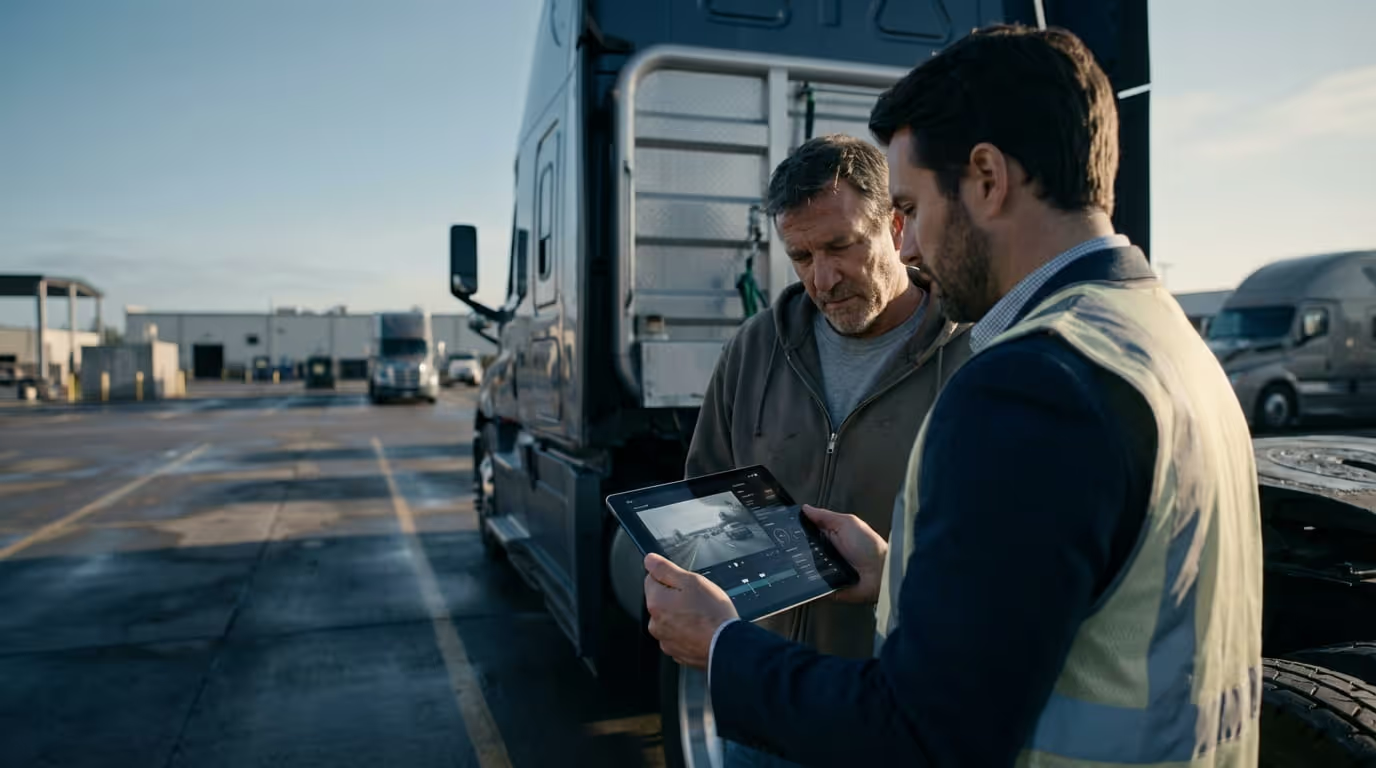
Training drivers to handle towing situations
It’s essential to train drivers on how to handle towing situations effectively.Specifically, they should be trained to:
- Immediately contact headquarters for guidance
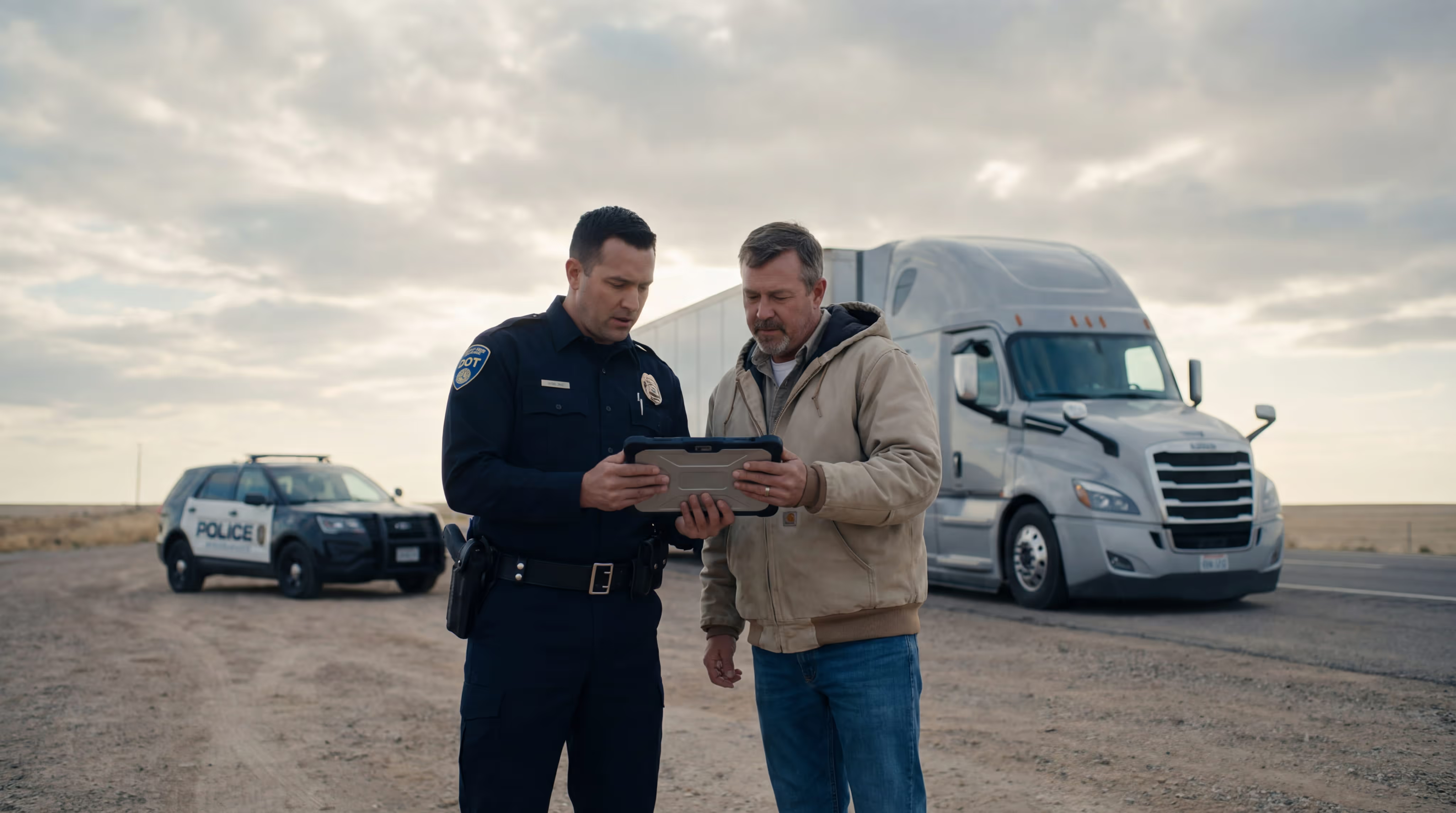
- Work with law enforcement to request a company-contracted tow, if possible
- Ask the tow operator to communicate with the maintenance manager
- Never sign documents presented by the tow operator
- Document the scene, including tow equipment and personnel
- Record arrival times, completion times, and other tow-related activities
- If a reasonable offer is made and refused, demand that towing companies stop charging for storage
- File complaints with local authorities or the attorney general if necessary
Creating a strong culture of safety within a fleet not only reduces accidentsbut also ensures that drivers are well-prepared to handle towing situations when they arise.When safety is a core value, drivers are more likely to follow best practicesfor vehicle maintenance, defensive driving, and regulatory compliance.Asafety-focused culturereinforces training and empowers drivers to recognize red flags,communicate effectively with law enforcement,and document interactions with tow operators.Prioritizing safetyat every level of operations protects drivers and assetsand reduces financial risk from inflated towing fees.
Preventing towing altogether
While knowing how to handle predatory towing is vital, prevention is the best approach.Ensuring fleets are parked legally, maintaining vehicles properly,and encouraging safe driving practices helps avoid incidentsand towing situations in the first place.
It’s important to remember that many towing companies operate ethically,and their services and equipment can be costly to maintain.While towing bills can still be expensive,understanding dishonest tactics helps ensure fair service at a reasonable price.
By staying informed about predatory towing practices and implementing preventive measures,trucking companies can reduce the risk of falling victim to dishonest operators.Educating staff, building relationships with trusted towing companies,and training drivers effectively are key components of protecting fleet operationsand maintaining efficiency.
For more insights on how to safeguard your fleet in the event of an incident,contact nirvanatech.com.











.avif)