Compliance is more important than ever for fleet carriers.
In September, a Florida jury handed down a $1 billion nuclear verdict in a case against two trucking companies for the wrongful death of a teen — the first of such magnitude. A recent American Transportation Research Institute report found that mean verdict awards have increased 51.7% over the last decade.[1]
Compliance increases safety and improves safety ratings and scores, which directly impact insurance prices and the ability to hire and retain good-quality drivers. Ultimately, your compliance today can increase profitability tomorrow.
7 key transportation trends
Stay ahead of the curve on fleet safety and compliance in 2022.
Here are the emerging issues and trends to watch out for this year:
Understand new Entry-Level Driver Training regulations
As of Feb. 7, 2022, new drivers seeking a commercial driver’s license (CDL) and those upgrading or adding endorsements must complete FMCSA-mandated ELDT training.[2]
Crash rates are highest among drivers with less than one year of commercial driving experience, regardless of age. [3] ELDT places responsibility on drivers rather than carriers, but fleets must ensure compliance.
Do a periodic audit of your DOT files
DOT audits can occur in person or remotely, and off-site audits have increased significantly. Investigators were on track to perform nearly 8,500 off-site audits by the end of 2021. Be proactive by conducting quarterly internal audits of driver, vehicle, and drug and alcohol files to ensure compliance.
New Safe Driver Apprenticeship Pilot Program
The FMCSA introduced the Safe Driver Apprenticeship Pilot Program, allowing CDL holders aged 18–20 to drive interstate under specific conditions.
Participation is limited, and carriers should consult their insurance providers and review eligibility requirements carefully.
Look out for new DOT rulemaking
The DOT plans to expand drug and alcohol testing to include oral fluid testing. Additionally, drivers must complete skills tests in their home state, which may prolong DMV backlogs.
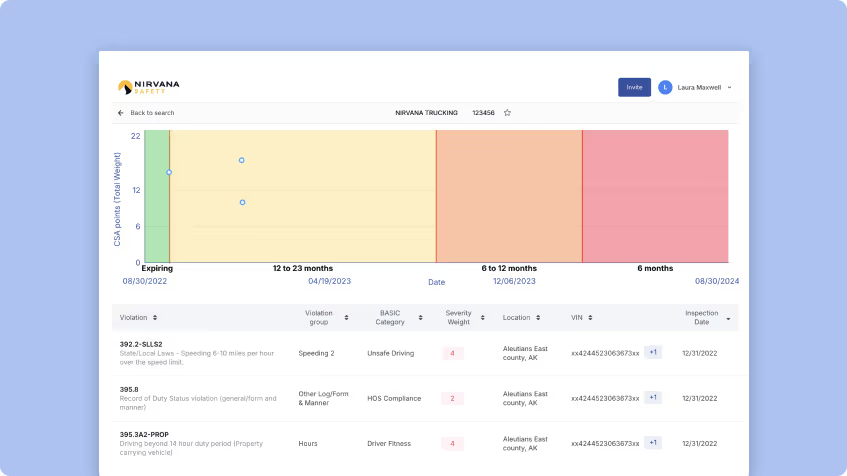
Know your safety scores
Monitor your Safety Measurement System (SMS) scores and address violations promptly. High scores increase the likelihood of DOT audits.
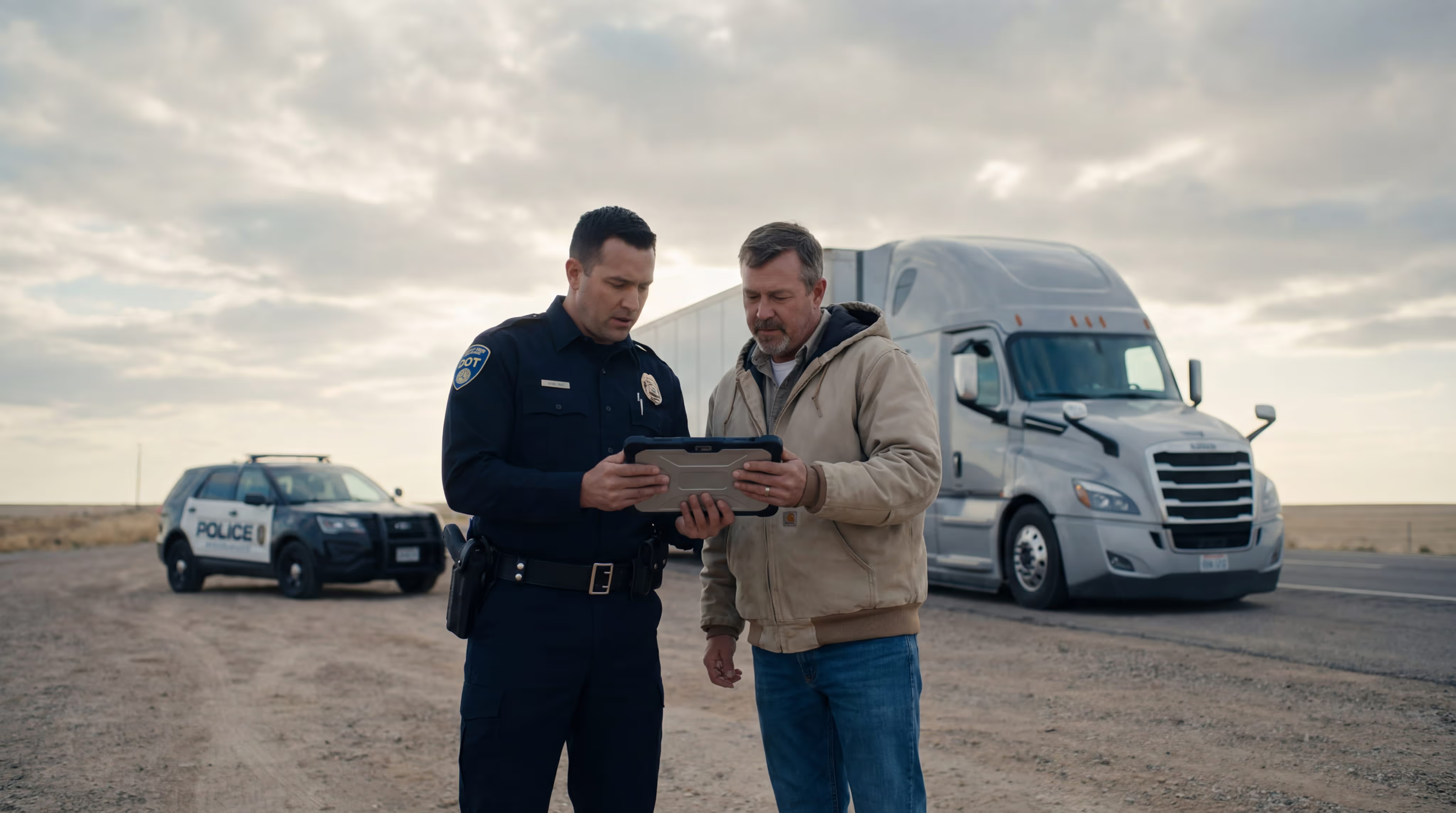
Make sure drivers don’t fail common roadside inspections
Many roadside violations are preventable, such as missing ELD manuals and paper logs. Ensure drivers know how to access required documentation to avoid unnecessary citations.
Use tech to its fullest, or don’t use it at all
In-cab technology like ELDs and telematics must be actively monitored. Failure to act on available safety data can create significant legal liability if an accident occurs.
With new regulations and increased pressure to improve safety and compliance, fleet carriers must be proactive.
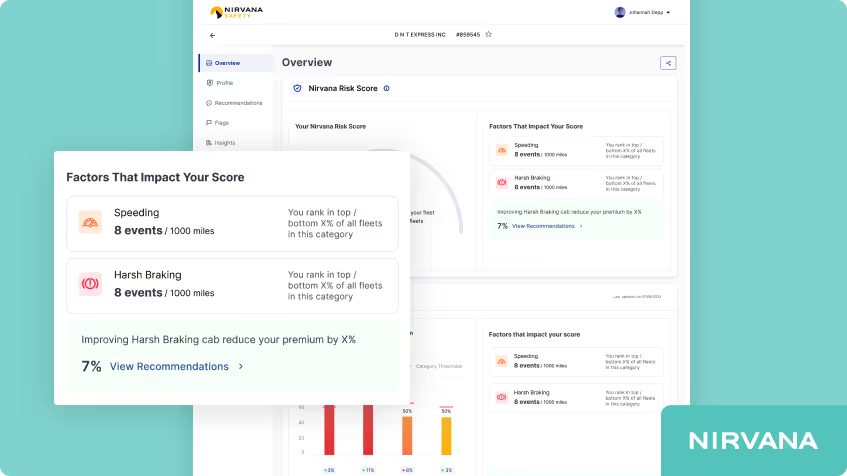
Stay ahead of these trends. Schedule a call to learn more about Nirvana’s Safety Platform.
[1] American Transportation Research Institute — Understanding the Impact of Nuclear Verdicts on the Trucking Industry
[2] FMCSA — Entry-Level Driver Training (ELDT)
[3] National Surface Transportation Safety Center for Excellence — Commercial Motor Vehicle Driver Risk Based on Age and Driving Experience















.avif)