3 Proactive ways telematics can improve fleet safety
When your underwriter knows the explicit safety details of your fleet, you’re both at the same table — and you’ll find greater stability in your fleet insurance costs whilst ensuring fleet safety.
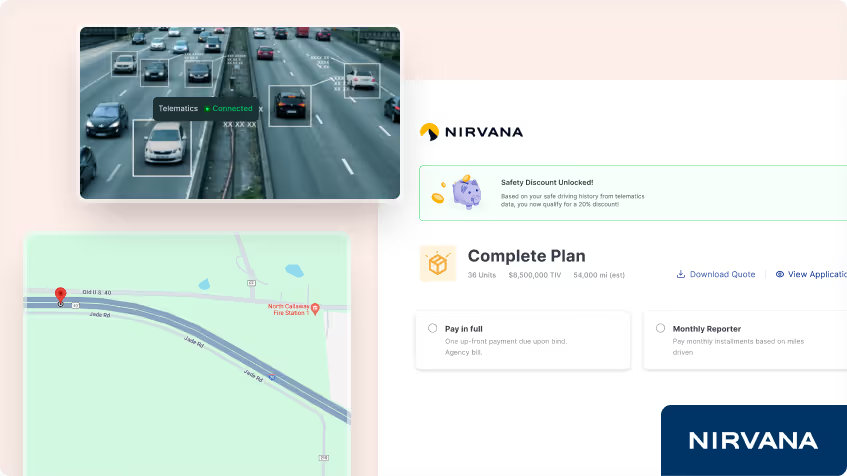
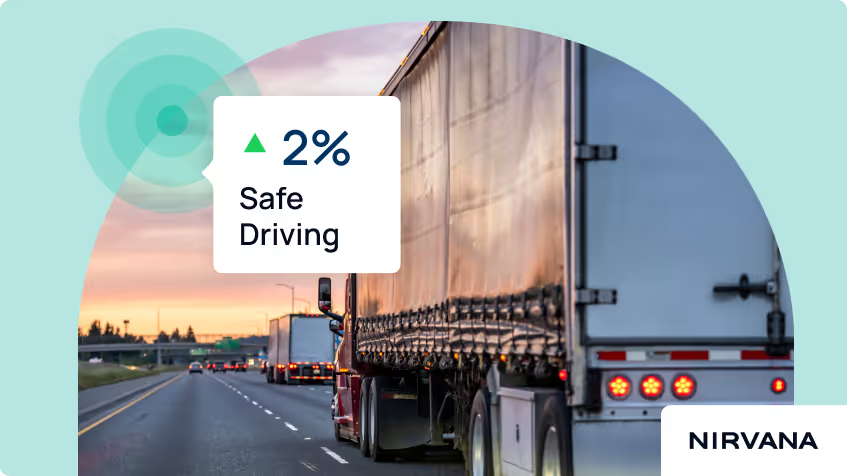
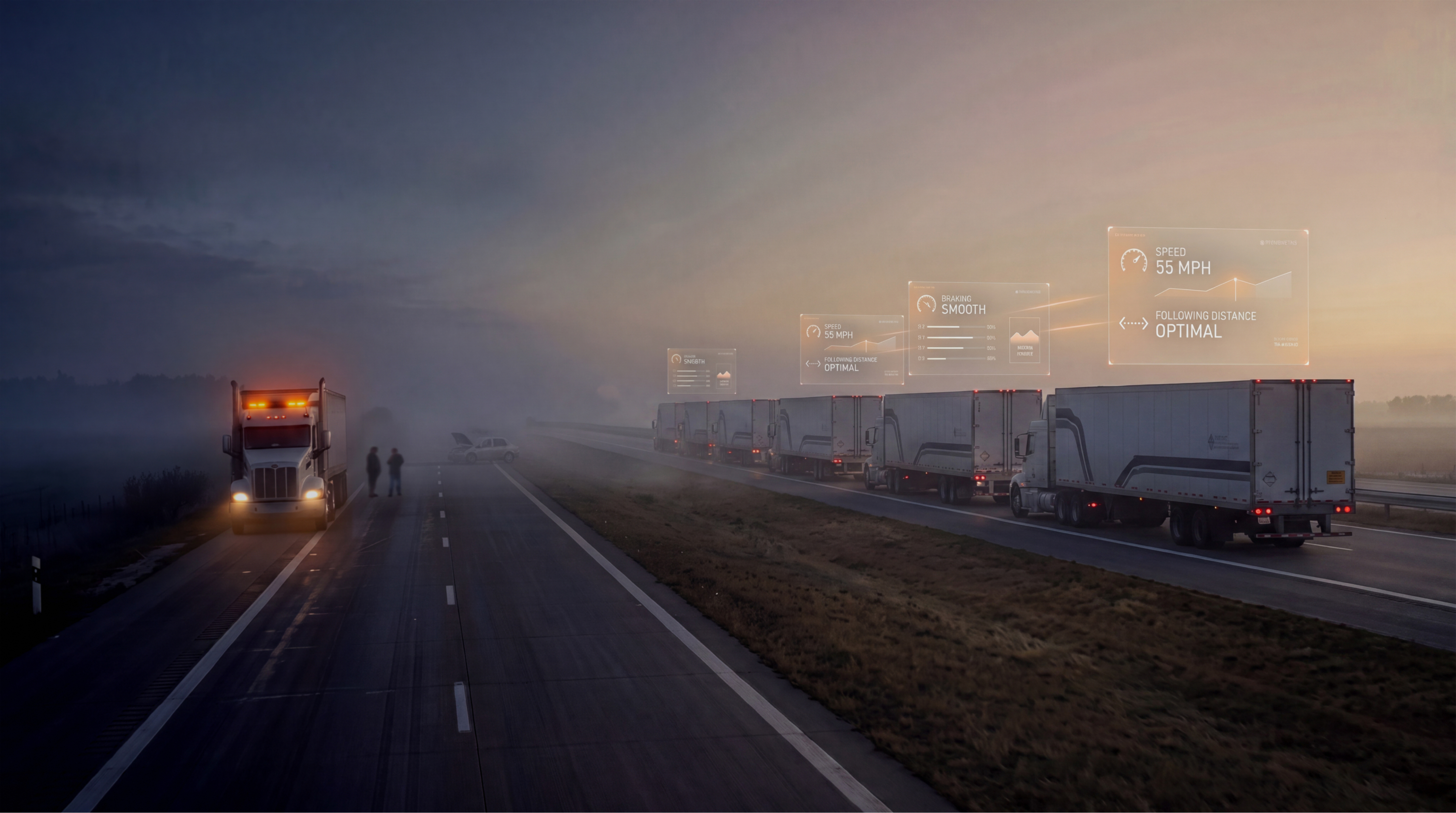
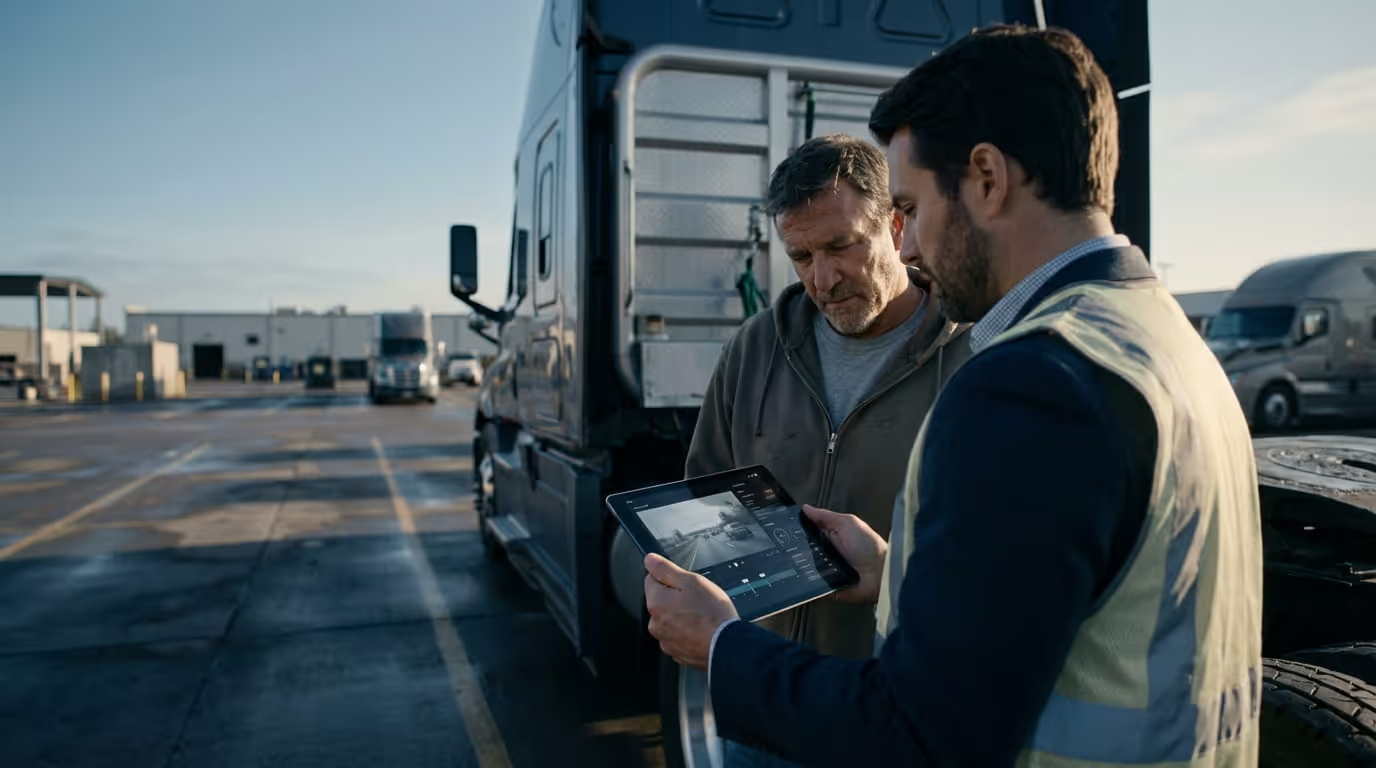
Telematics provide those details to influence loss severity and claims frequency, a revolutionary concept in road safety, fleet safety, and risk management. Instead of simply noting that trucks operate in higher risk and higher hazard areas — a limited measure of a fleet’s hot spots, used for decades to assess fleet safety — insurance companies can use real-time data to see that drivers are operating responsibly in those areas.
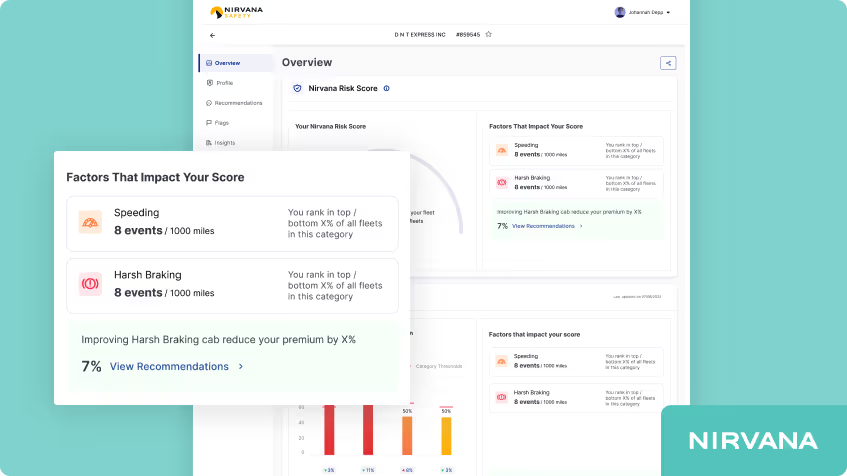
That data yields risk factors such as where drivers are going, how long it takes them to get there, and how they’re maneuvering lanes of traffic. As a result, determining insurance rates becomes much more nuanced, which can save you money in today’s hard insurance market.
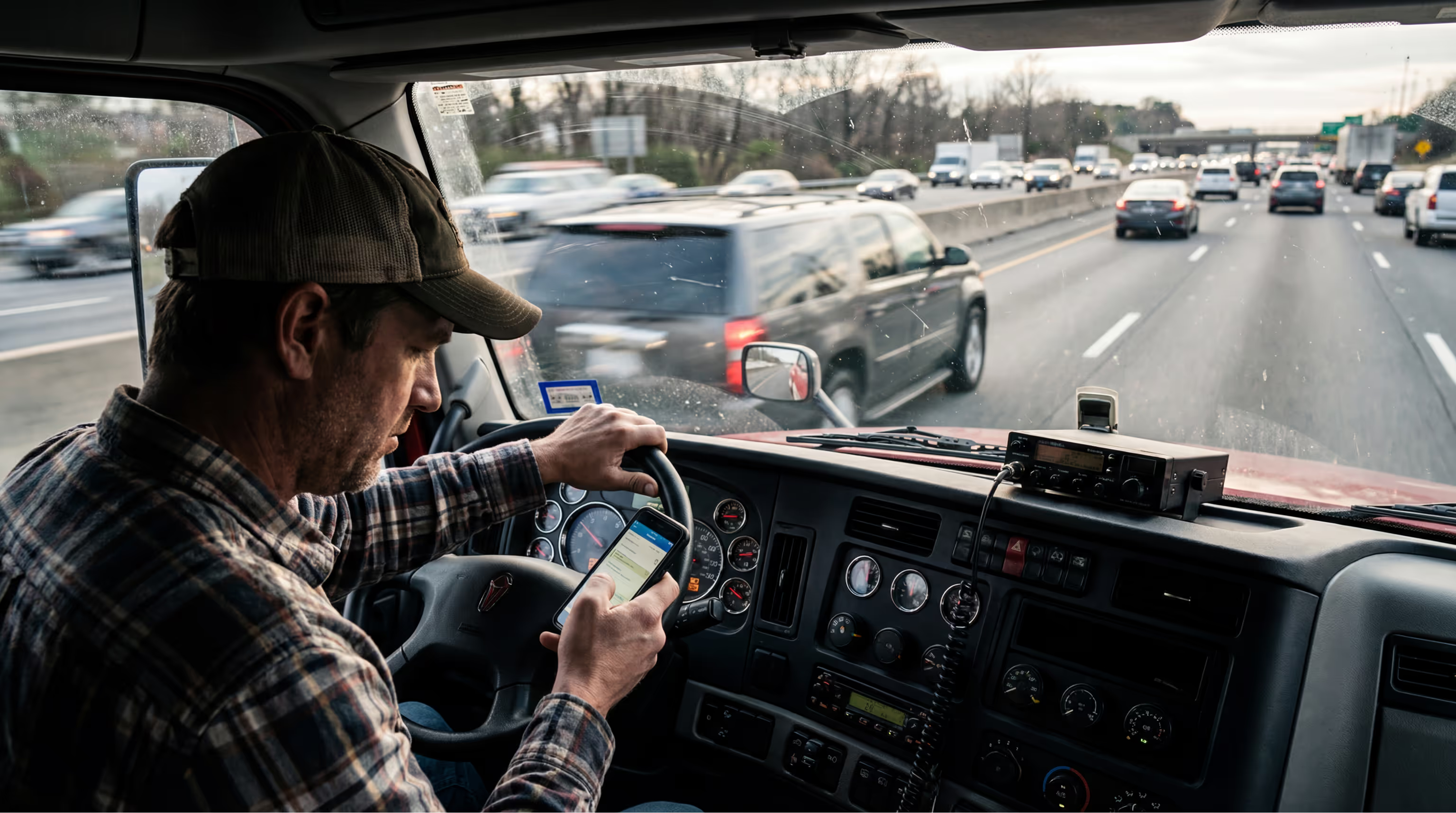
Telematics not only removes guesswork, but often illustrates deeper insight into the fleet characteristics. In fact, in-cab alerts for harsh braking and harsh acceleration have been shown to reduce the frequency of those behaviors by up to 40%.
That’s good news for fleets worried about operating in a high-risk territory and yielding an automatic spike in insurance rates.
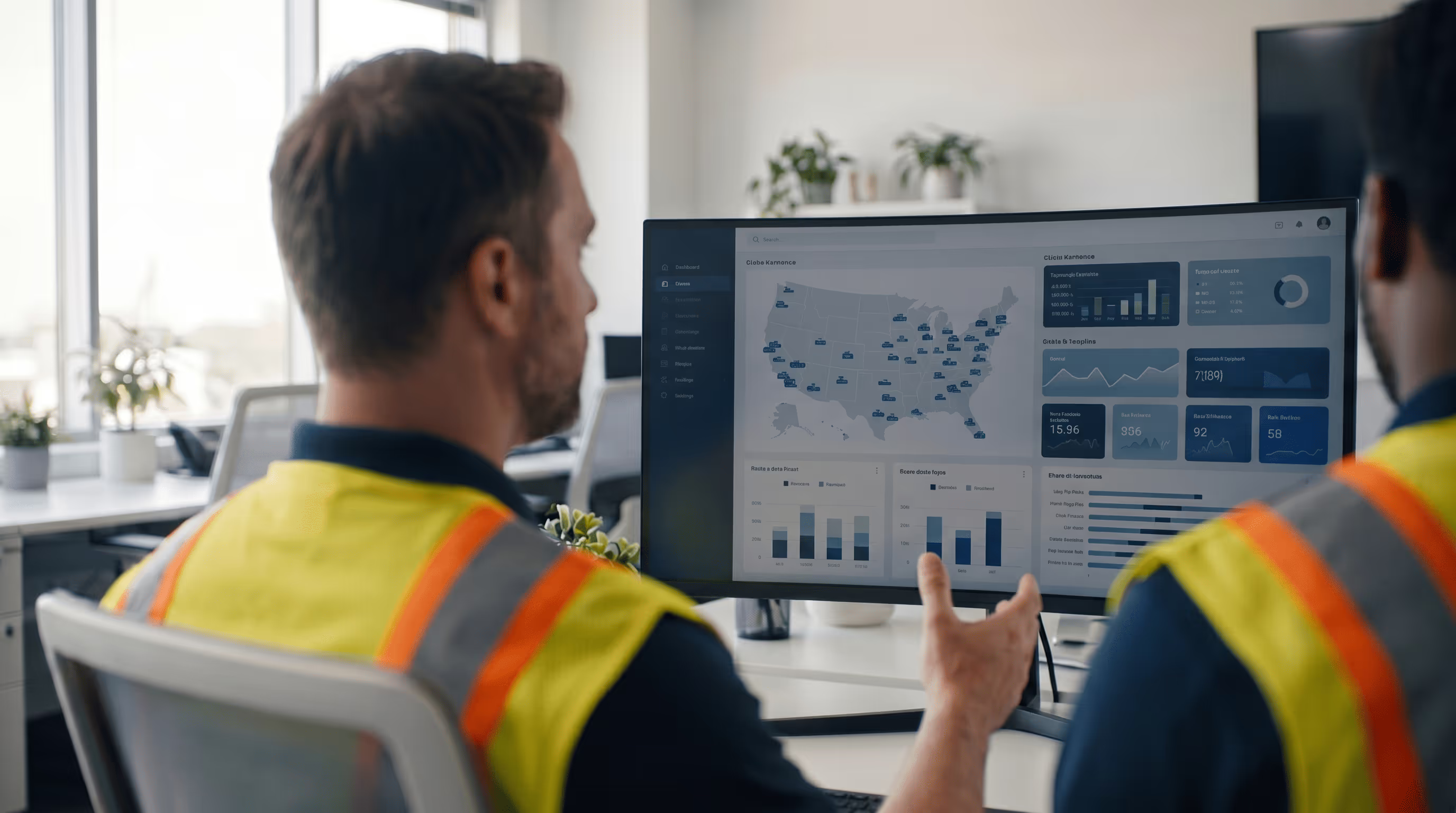
But telematics is only half the battle in increasing transparency and improving risk. You have to implement risk-management best practices based on the telematics data you gain. Here’s how to make your fleet safer:
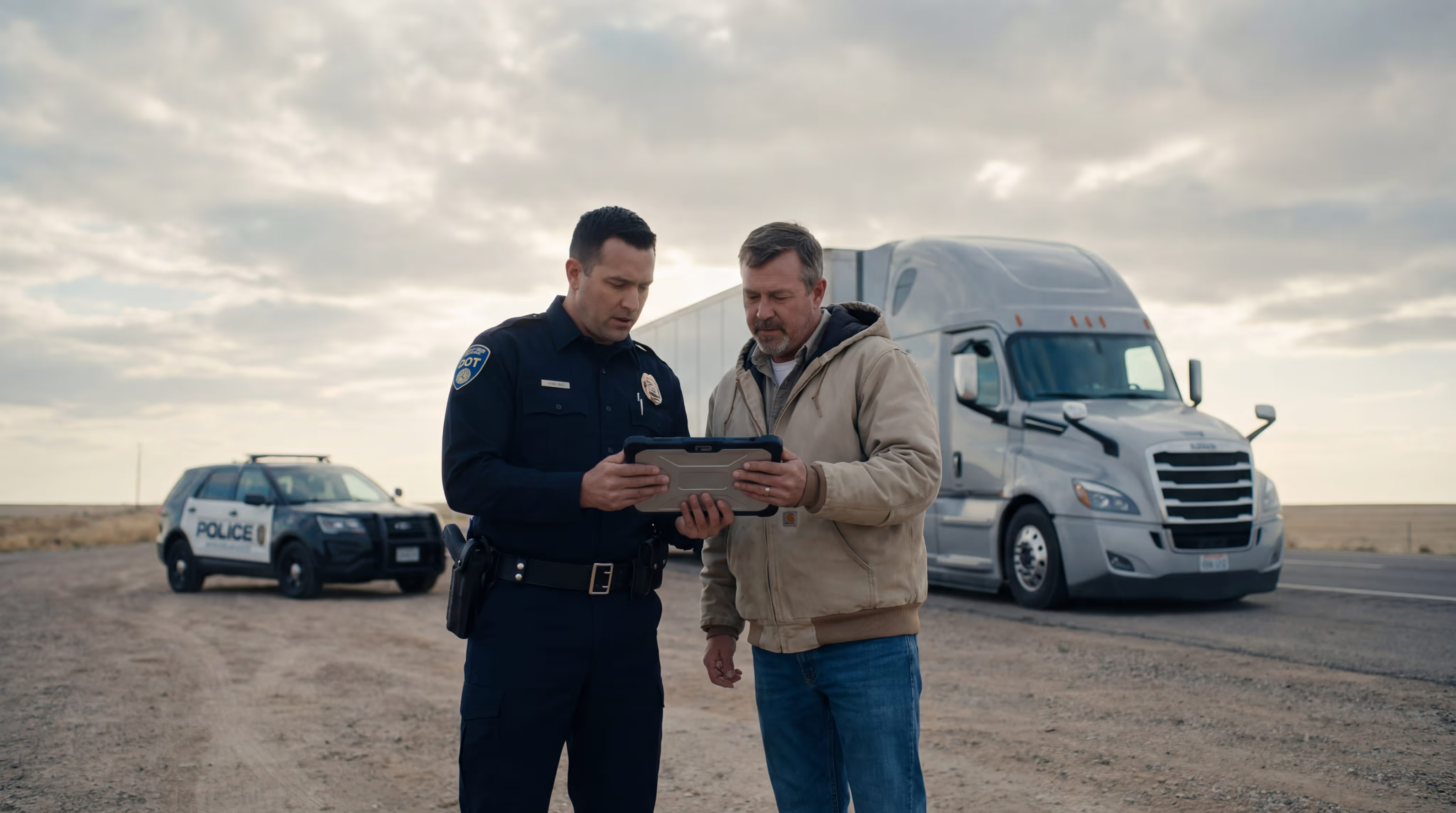
Using telematics is key for informing fleet management and improving trucking operations overall. The more transparency underwriters have with fleet owners, the stronger the relationship between insurance carriers and operators — and the more accurate the assessment of fleet safety in a volatile market.
For more information on how to use telematics to improve your risk, contact Nirvana Insurance.




.avif)