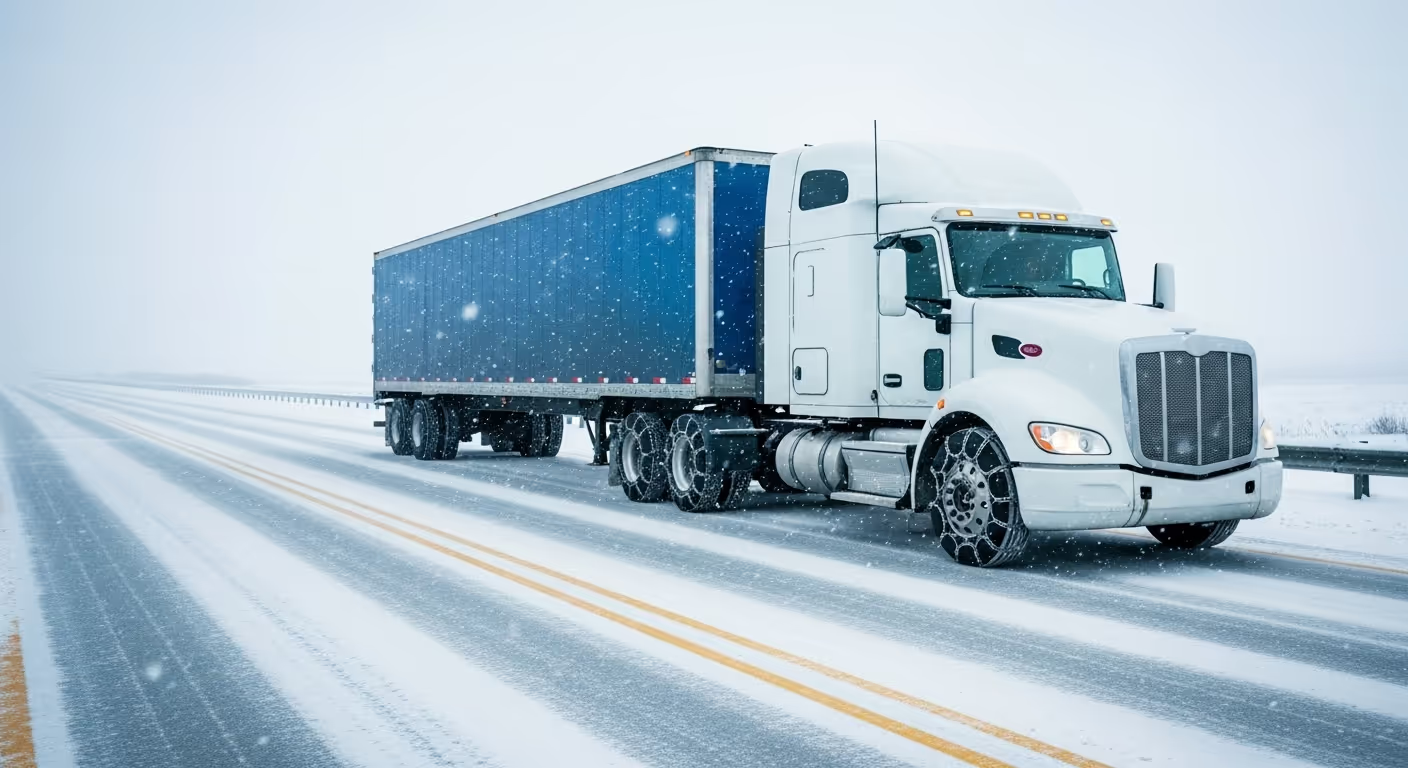
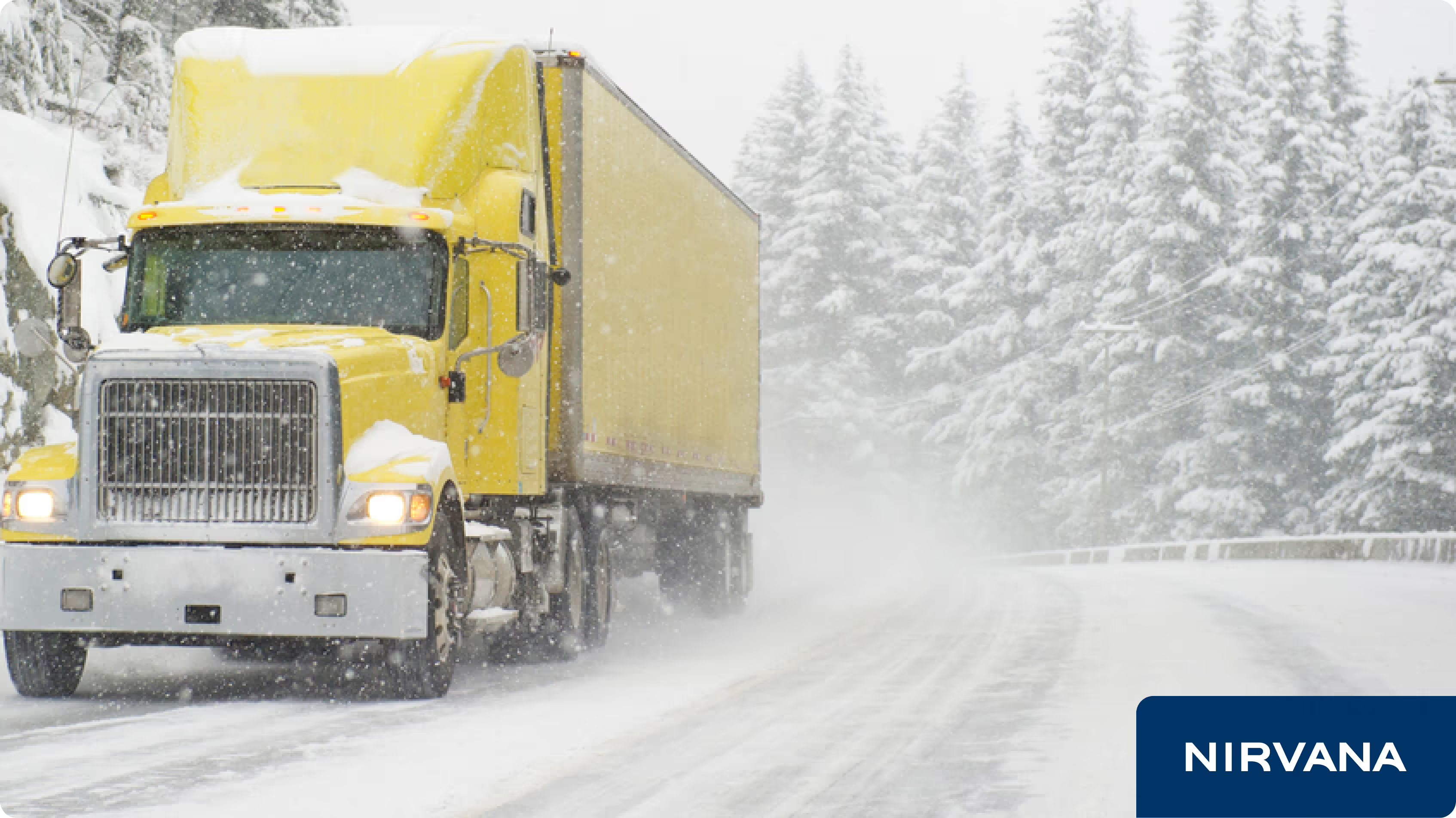
Winter weather brings unique challenges for fleets, and as your trusted insurance partner,we’re here to help keep your operations safe and your drivers protected.Icy roads, limited visibility, and freezing temperatures all increase the risk of commercialvehicle collisions, which can have devastating consequences—not just for your business,but for the safety of your drivers and the public.
The good news? Many of these risks are preventable with the right preparation, habits,and decision-making. To help minimize accidents, injuries, and claims this winter,we’ve put together key tips for reducing the likelihood of weather-related collisions.
1. Prioritize pre-trip inspections
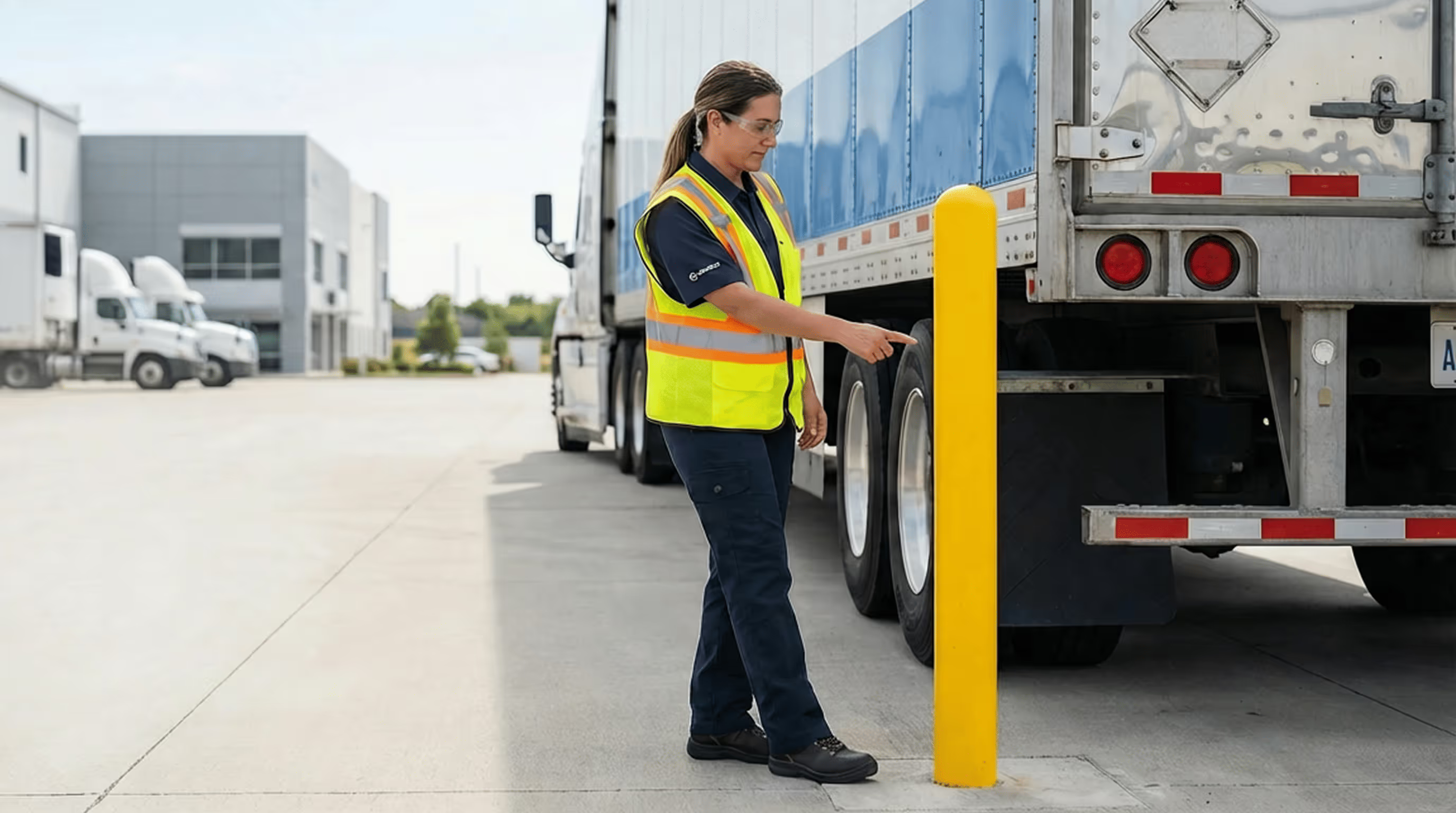
Pre-trip maintenance checks are even more critical during winter.Many accidents can be prevented by catching mechanical issues or potential hazardsbefore they become problems on the road. Make sure your fleet adheres to consistentinspections, paying close attention to winter-specific concerns:
- Tires: Proper inflation and tread depth are vital for maintaining traction on icy roads. Use winter-specific tires in regions prone to heavy snow or ice.
- Brakes: Fully functioning brakes are non-negotiable. Ensure brake pads aren’t worn, and verify that air brake lines are free from moisture to prevent freezing.
- Lights and windshield wipers: Ensure all lights, including headlights and brake lights, are working to improve visibility for your drivers and others on the road. Winter-grade windshield wipers and de-icing washer fluid are also critical.
- Emergency supplies: Stock vehicles with essentials like flares, reflective triangles, blankets, food, water, and a first aid kit in case of unexpected delays due to severe weather.
Proper inspections aren’t just about compliance—they’re about safety.Encourage your drivers to report any issues immediately and to never hit the roadwith compromised equipment.
2. Reinforce safe driving practices
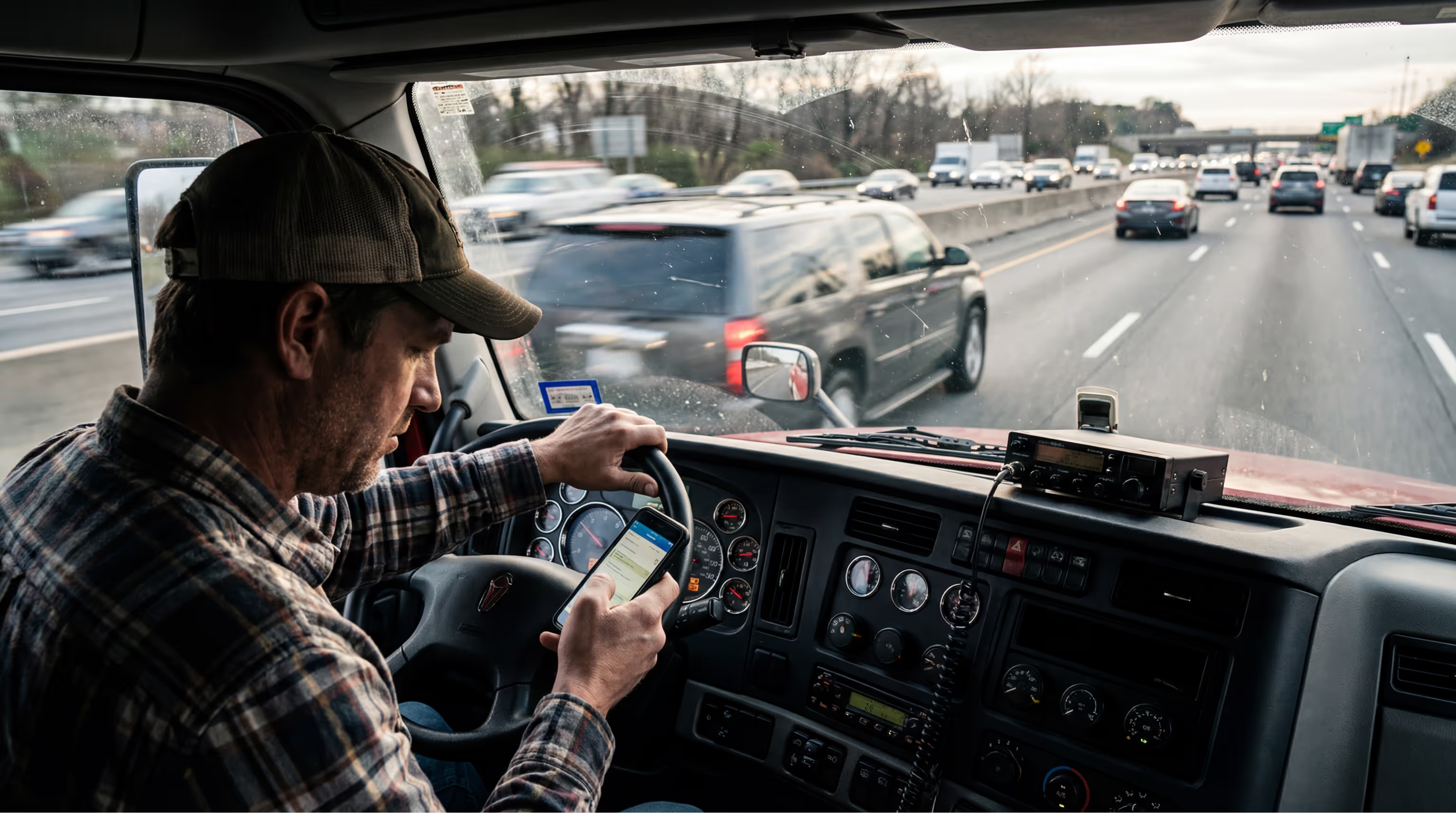
Speeding, tailgating, and abrupt braking are major contributors to winter road accidents,and the risk is even greater for large commercial vehicles.Your drivers play the most critical role in accident prevention,so ongoing training and reminders about safe practices are essential.
Encourage drivers to:
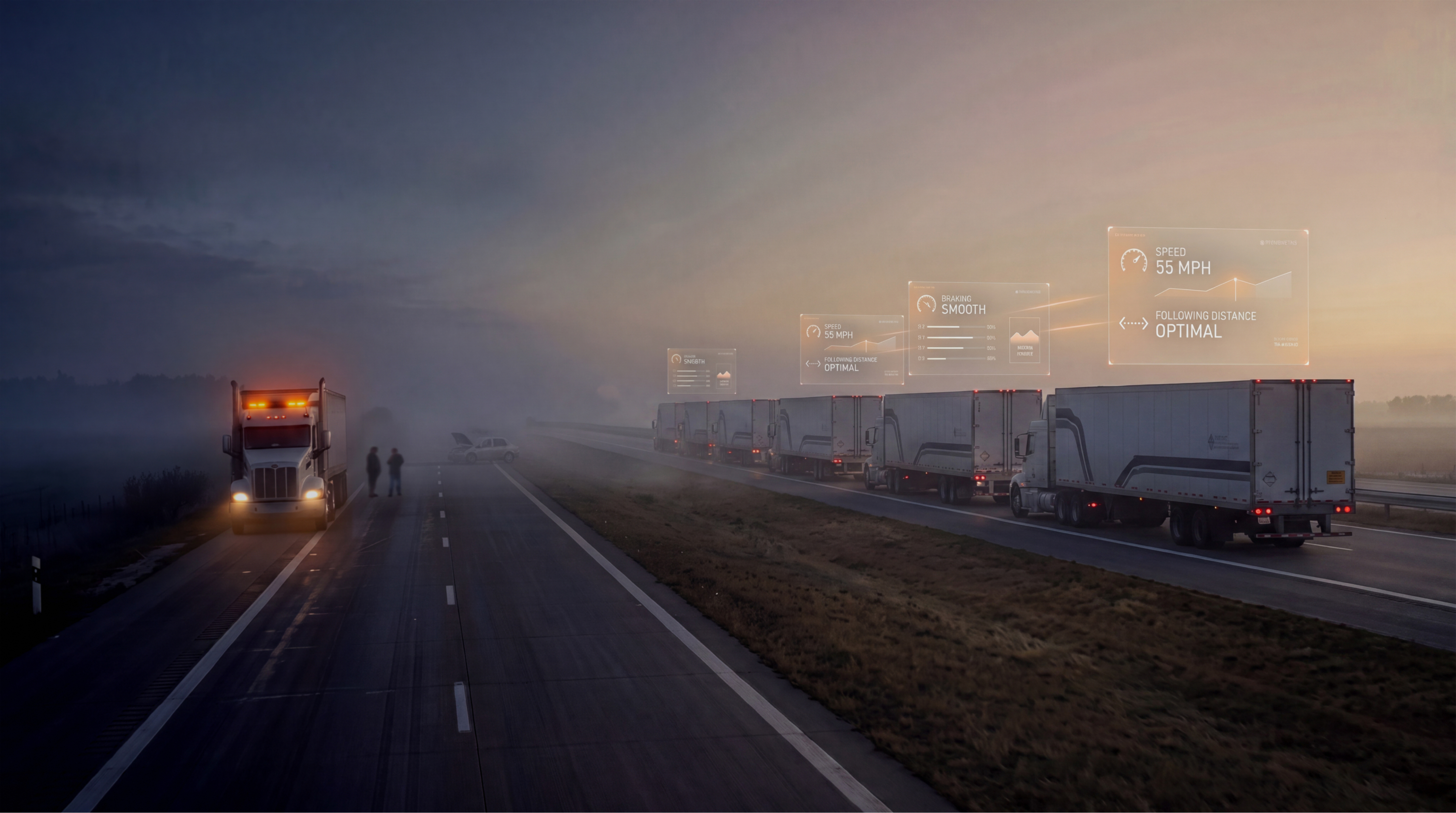
- Drive slower than the speed limit: Speed limits are designed for normal road conditions, not snow or ice. Reduce speeds and increase following distances.
- Avoid sudden movements: Accelerate, decelerate, and change lanes smoothly to avoid losing traction.
- Increase awareness on bridges and ramps: Black ice often forms on bridges, overpasses, and shaded areas.
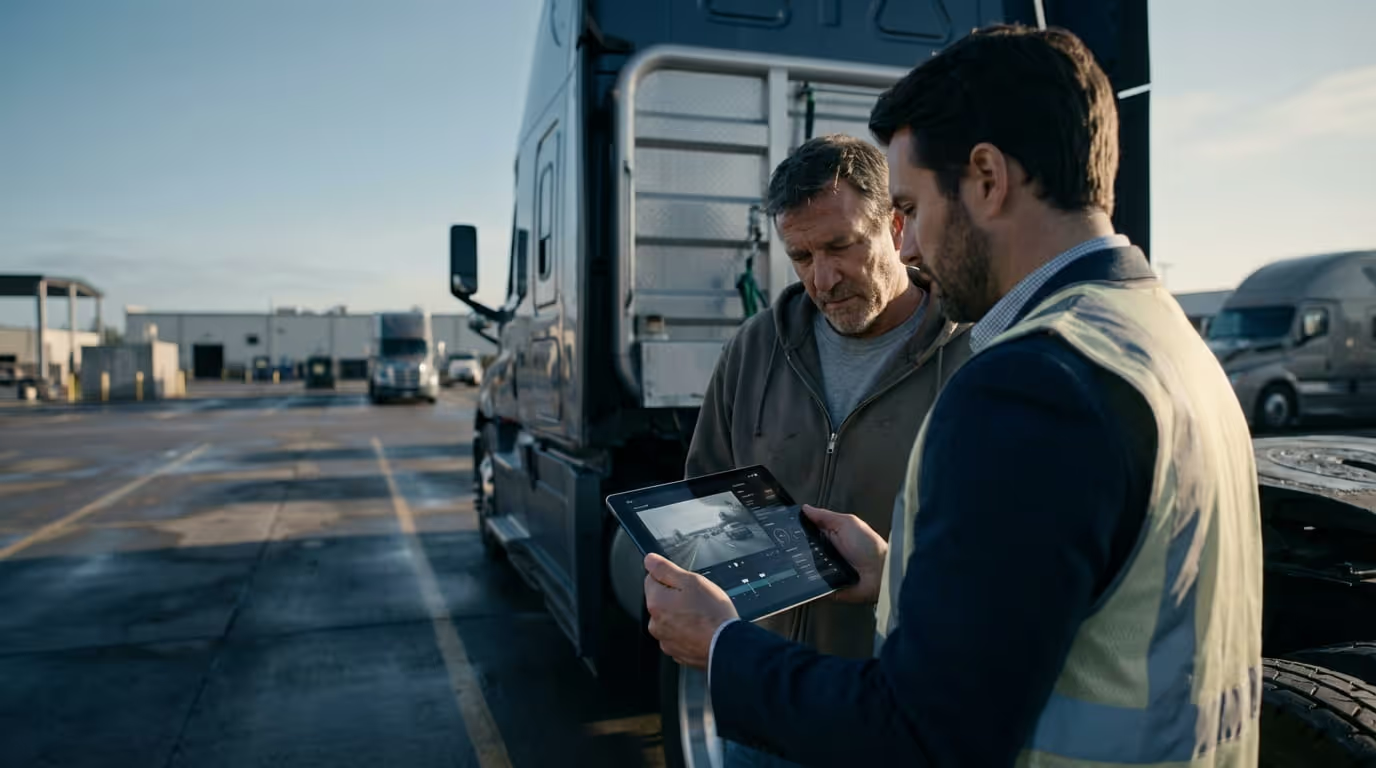
Regular training refreshers can help drivers stay vigilant and build habitsthat reduce claims and liability.
3. Monitor weather conditions and communicate proactively
Unpredictable winter storms can quickly change road conditions and put driversin dangerous situations. Proactive communication and route planningcan make all the difference.
- Use real-time GPS and weather apps to check conditions before and during trips.
- Share regular updates with dispatchers to reroute around storms or closures.
- Understand company policy on delaying trips or pulling over in severe weather. Make it clear that safety takes priority over deadlines.
When drivers feel supported and know stopping is acceptable,they’re less likely to take dangerous risks.
4. Equip and train drivers for winter emergencies
Despite the best preparation, emergencies can happen.Ensure drivers know what to do in the event of a breakdown, skid, or crash:
- Skidding: Stay calm and steer gently into a skid. With ABS, apply firm, steady pressure.
- Breakdowns: Pull over safely, deploy warning devices, and avoid standing near traffic.
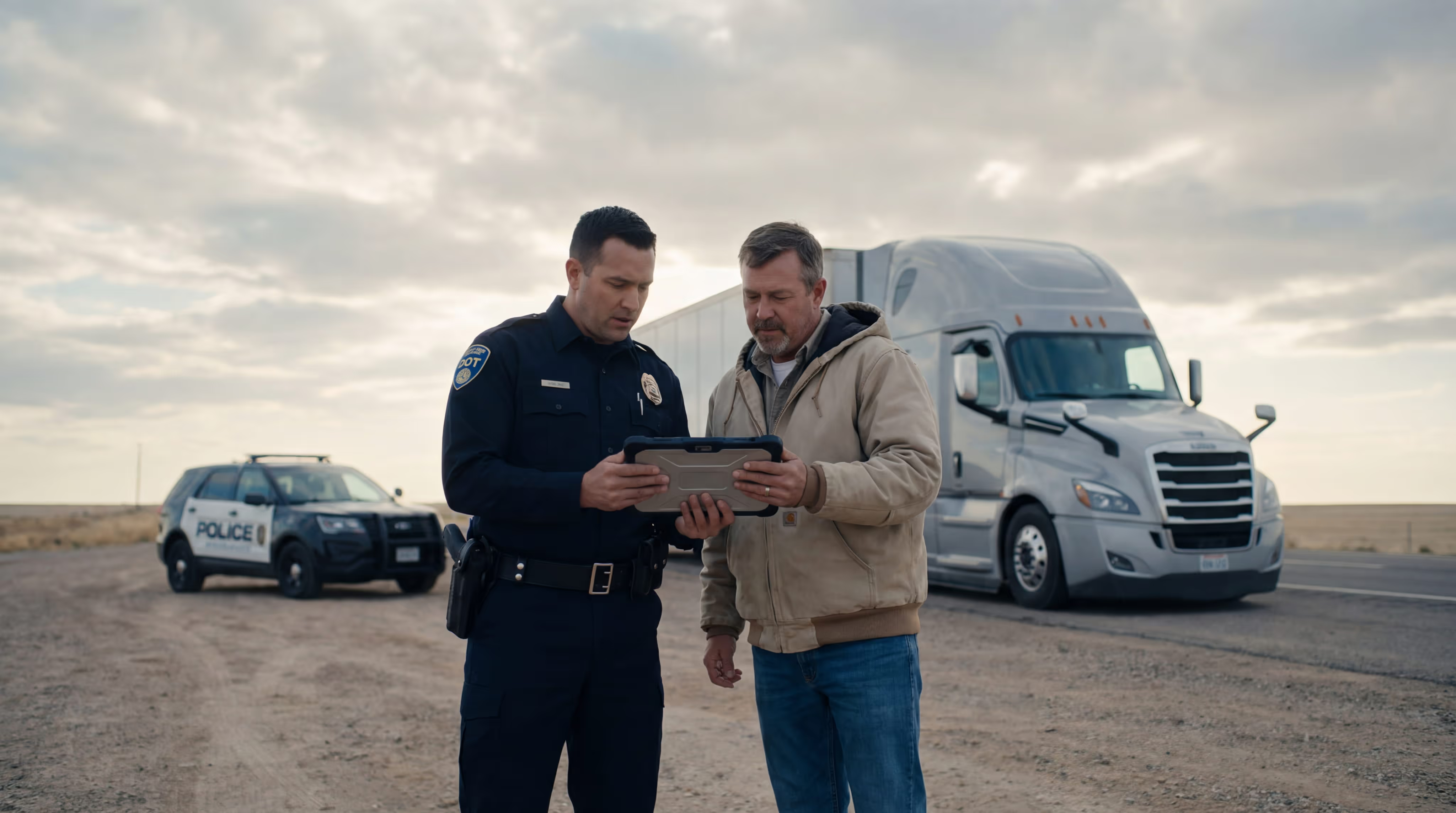
- Accidents: Prioritize safety, call law enforcement, document the scene, and follow company reporting protocols.
Prepared and confident drivers are less likely to panicand make costly mistakes.
5. Encourage safe parking practices
Parking safely during winter weather can prevent secondary collisions.Ensure drivers choose secure locations when stopping:
- Use rest areas or truck stops instead of shoulders.
- Wear reflective safety gear if exiting the vehicle.
- Avoid parking beneath overpasses or on steep grades.
Knowing when to stop driving is just as important as knowing how to drive.
6. Review your winter weather policy as a team
A clear, actionable winter weather policy should include:
- Guidelines for delaying trips due to severe weather.
- Expectations for safe driving speeds and maneuvering.
- Instructions for reporting accidents or hazardous conditions.
Encourage open communication and reinforce that safety policiesprotect drivers’ lives—not just company assets.







.avif)