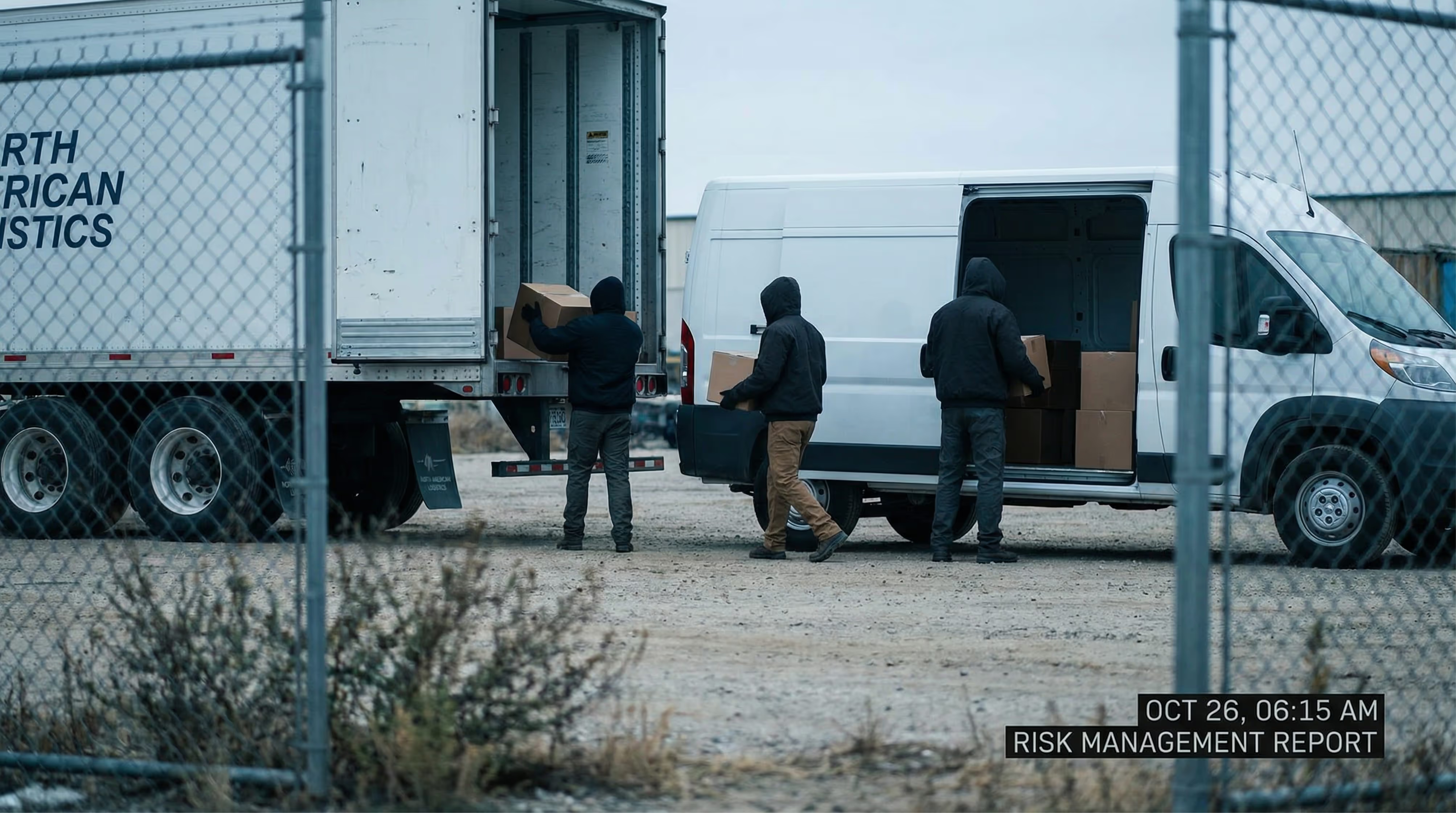
The winter holiday shipping season is a critical period for the supply chain. As carriers and drivers work to meet increased demand, they ensure goods are delivered and the economy remains strong. However, this high-volume season also presents a significant risk: cargo theft. Receiving facilities often operate on modified holiday schedules, and staffing can be inconsistent. These operational shifts create opportunities for shipments to be left unattended or parked in unsecured locations for extended periods, making them prime targets for organized criminals.
Keep cargo and drivers safe this holiday season with these planning tips.
Plan Ahead to Keep Freight Moving
Proactive planning is the foundation of cargo security. The safest load is one that is in motion and on schedule.
Build secure routes: Plan routes that minimize idle time and avoid known high-risk zones or unsecured truck stops.
Schedule for delivery: Whenever possible, schedule pickup and delivery times to prevent a loaded trailer from sitting unattended over a holiday weekend.
Identify secure parking in advance: If a stop is necessary, identify vetted, secure, and well-lit parking facilities along the route before the trip begins. This prevents drivers from making last-minute decisions in unfamiliar areas.
Implement Layered Physical Security
A single lock is not a deterrent; it’s an invitation. A multi-layered approach makes your equipment a harder, less appealing target.
Mandate high-security devices: Use a combination of high-security rear door locks or locking bars, kingpin locks for dropped trailers, and air-cuff (gladhand) locks.
Maintain seal integrity: Use high-security barrier seals. Drivers should photograph and log seal numbers at the shipper and receiver to create a clear chain-of-custody record and quickly identify tampering.
Verify Every Pickup and Connection
Criminals often exploit the high volume of holiday traffic to conduct fictitious pickups or impersonate legitimate carriers. Rigorous verification is essential.
Use trusted contact information: Confirm every pickup using known, pre-vetted phone numbers from your system. Never rely on contact details provided in a new email or text message.
Watch for red flags: Be alert for signs of fictitious pickups and trailer swaps, such as last-minute changes to driver information or unusual communication.
Reinforce Smart Driver Tactics
Your drivers are the first line of defense. Equipping them with clear security protocols is vital for protecting them and their cargo.
Prep before loading: Drivers should fuel up and take care of personal needs before arriving at the shipper. This allows them to get moving immediately after the trailer is loaded and sealed.
Avoid early stops: The first 200 miles of a trip are often the most vulnerable, as thieves may follow a truck from the point of origin. Instruct drivers to avoid stops during this initial period.
Report suspicious activity: If a driver believes they are being followed, their procedure should be to call 911 and dispatch immediately. They should not stop or confront the other vehicle but instead drive to a police station or a busy, well-lit public area.

Control the Flow of Information
Treat information about your load and route as confidential. Limiting visibility into your operations reduces the risk of being targeted.
Secure documentation: Keep bills of lading and other shipping documents out of sight, not on the dashboard or passenger seat.
Maintain communication discipline: Prohibit discussions about load contents, routes, or schedules on open radio channels.
Enforce a no-social-media policy: Drivers should never post pictures or information about their cargo, location, or destination online.
Ensure Round-the-Clock Monitoring
Technology provides critical oversight, but it is only effective when paired with a constant human response.
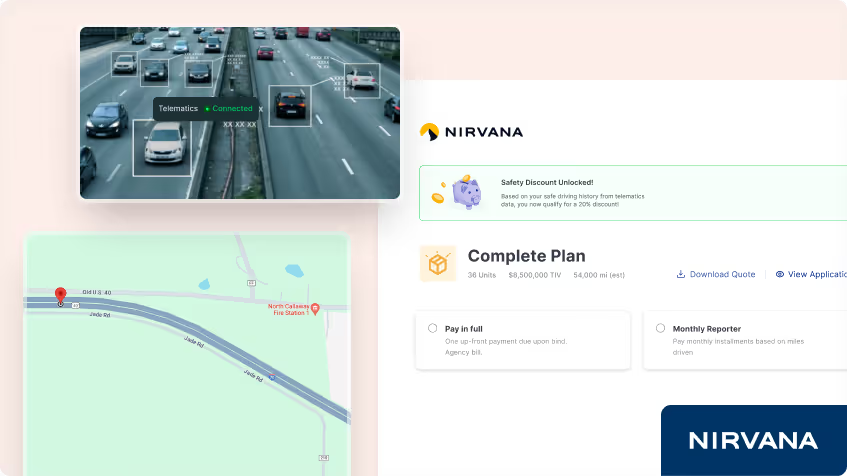
Activate security features: Use geofencing to create virtual perimeters around routes and destinations, and set up real-time alerts for unauthorized stops or off-route movement.
Confirm 24/7 monitoring: Ensure that alerts are monitored by a live person around the clock, including nights, weekends, and holidays. A missed alert is a missed opportunity to prevent a theft.
Have an Incident Response Plan Ready
In the event of a suspected theft, a clear and immediate response protocol is crucial for maximizing the chance of recovery.
Driver calls 911 first: This is the immediate priority to engage law enforcement.
Driver calls dispatch/security second: The driver should be prepared to provide the last known location, direction of travel, and full tractor/trailer identifiers.
Company activates its network: Immediately notify your insurance provider and any cargo theft recovery networks to circulate a BOLO (Be On the Lookout) alert.
Cargo thieves count on holiday distractions and operational gaps. With disciplined planning, layered security, and true round-the-clock visibility, you can keep freight moving and the season uneventful—for all the right reasons. Share this post with your team and review your holiday procedures now.










.avif)