At Nirvana, we underwrite trucking fleets using telematics data. We see thousands of driving records across our portfolio, and one pattern holds: the fleets with the best safety outcomes aren't the ones with the most cameras or the most data points. They're the ones acting on what the data shows.
That gap — between collecting data and actually doing something with it — is what separates a fleet that improves year over year from one that keeps filing the same types of claims.
That's why we're joining Solera Fleet Solutions on April 29 for Proactive Telematics: How Safer Fleets Win on Cost, Claims, and Culture.
What the data actually shows
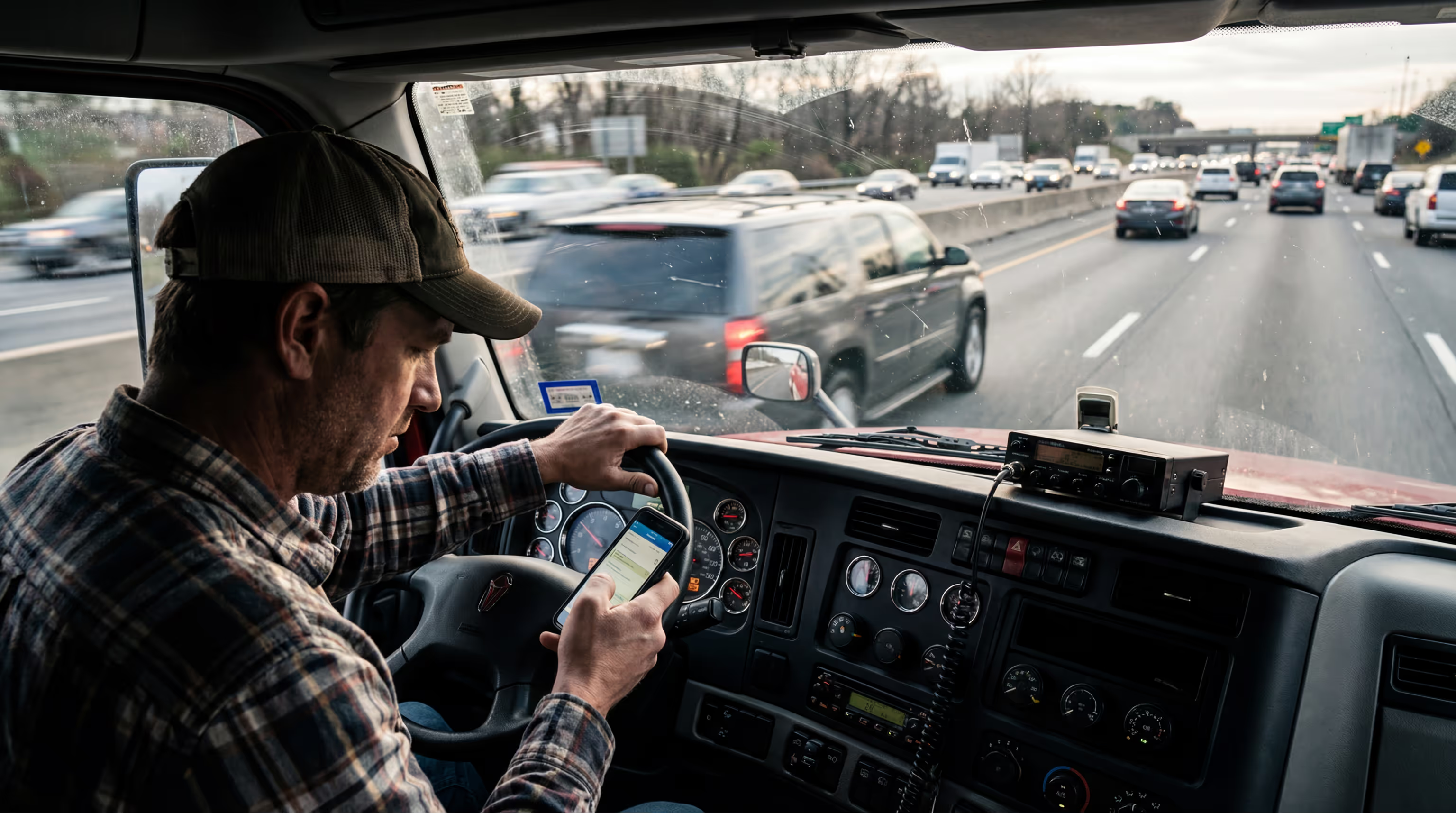
Phone distraction is the clearest example. It increases crash likelihood by approximately 240%. Not "somewhat" — 240%. It's one of the strongest signals we track, and yet most fleets treat a phone event as an isolated incident rather than a pattern worth coaching against.
Chronic speeding works the same way. A driver who speeds consistently is a different risk than one who had a rough hour. The first driver's predicted losses run more than 70% higher. The second might just need a conversation. That distinction matters when pricing insurance, and it matters when deciding who gets coaching and how soon.
The loop that changes outcomes
The fleets that perform best don't wait for a claim to act. They run a tight cycle: detect the behavior, coach the driver while it's still relevant (not six weeks later), document it, and measure improvement over 30–60 days.
This isn't just good safety practice — it's good legal practice too. When a pattern of risky behavior is visible in the data and there's no record of intervention, that absence becomes a liability problem in court. The question won't be whether you had the data. It'll be what you did with it.
We've seen fleets move from high-risk to low-risk over 18 months by applying this framework consistently. No magic. Just systematic attention to what the data is already showing.
The driver trust problem most fleets don't solve
The fleets that succeed treat telematics as a tool for defending their drivers — not policing them. Documenting that a near-miss was the other driver's fault. Showing that a long shift stayed within safe parameters. Building a record that proves a driver is consistent and responsible.
That reframe changes how drivers experience the system. When they believe it's fair, engagement goes up. Safety improves. And the data you capture is actually meaningful.
What this means for your premiums
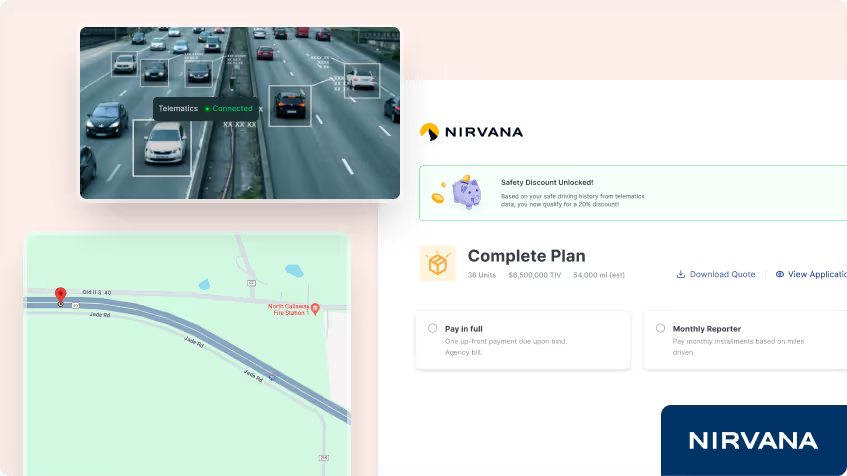
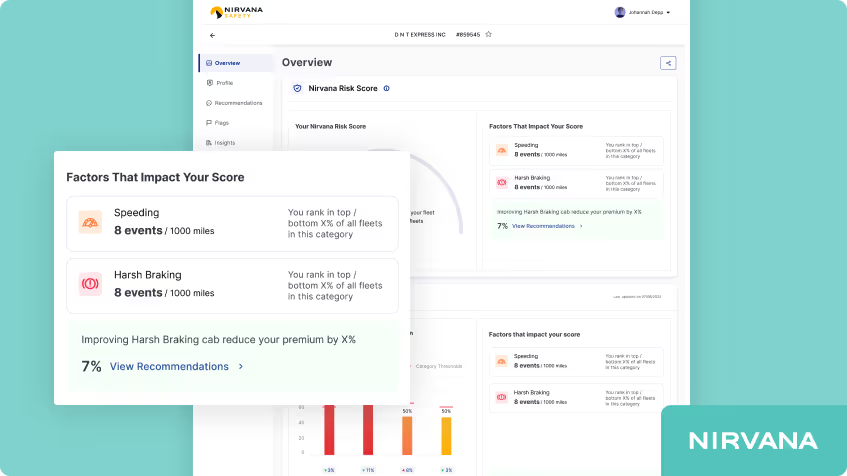
At Nirvana, safer behavior directly affects what fleets pay. Fleets that can demonstrate improvement through documented coaching and measurable behavior change earn better rates. That's not theoretical — it's how we price.
On April 29, we'll walk through the specific behaviors that predict losses, the coaching frameworks that high-performing fleets use, and how to build a safety record that holds up in court and with your insurer.








.avif)