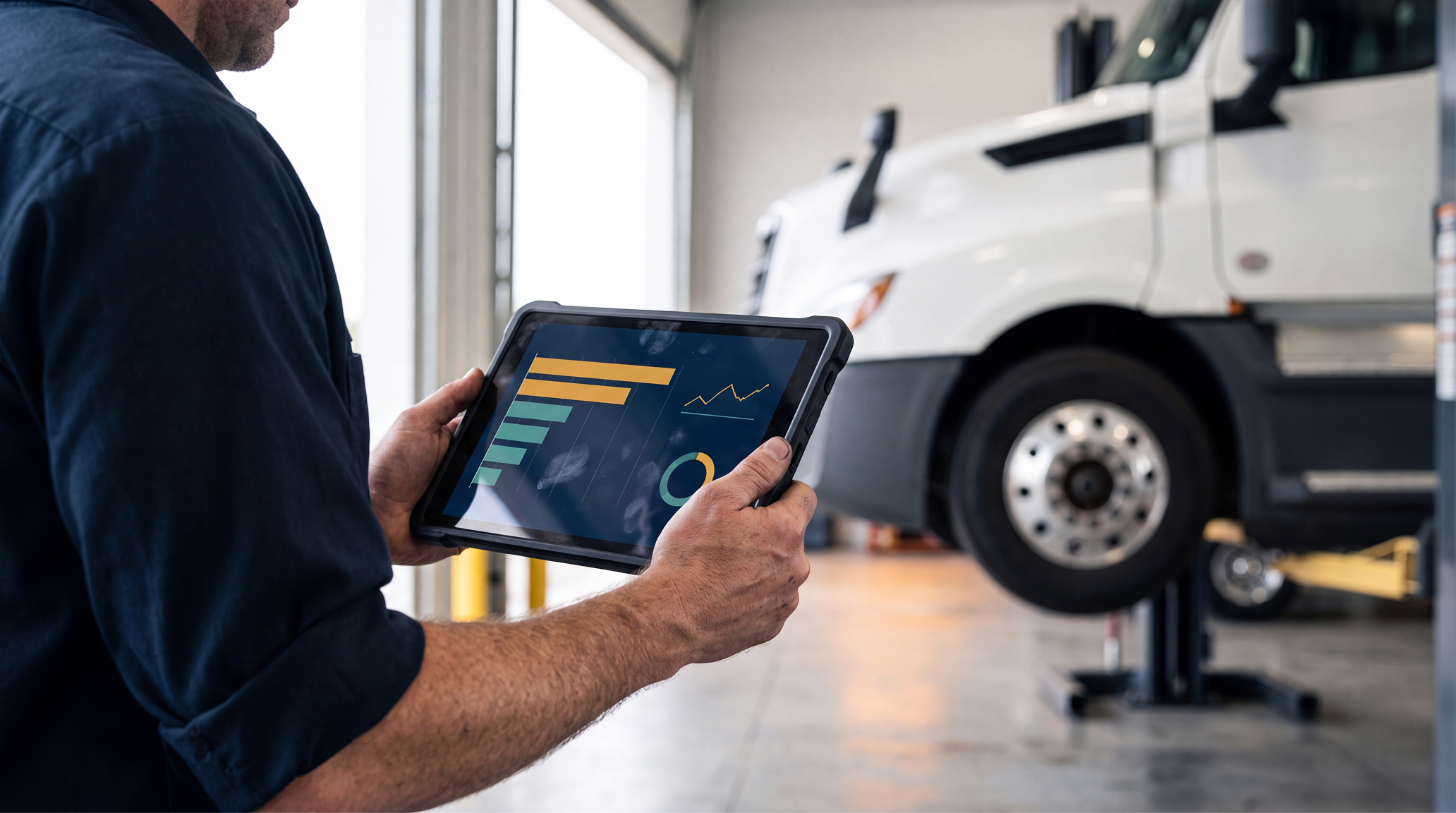
Your Vehicle Maintenance BASIC score tells you something important — but only part of the story. It reflects violations found during roadside inspections: a snapshot of what a DOT inspector happened to see on the days your fleet was on the road. The other days? You're flying blind.
For safety managers who want to stay ahead of risk, that gap is a problem. And this September, it's worth closing it.
What the Vehicle Maintenance BASIC Actually Measures
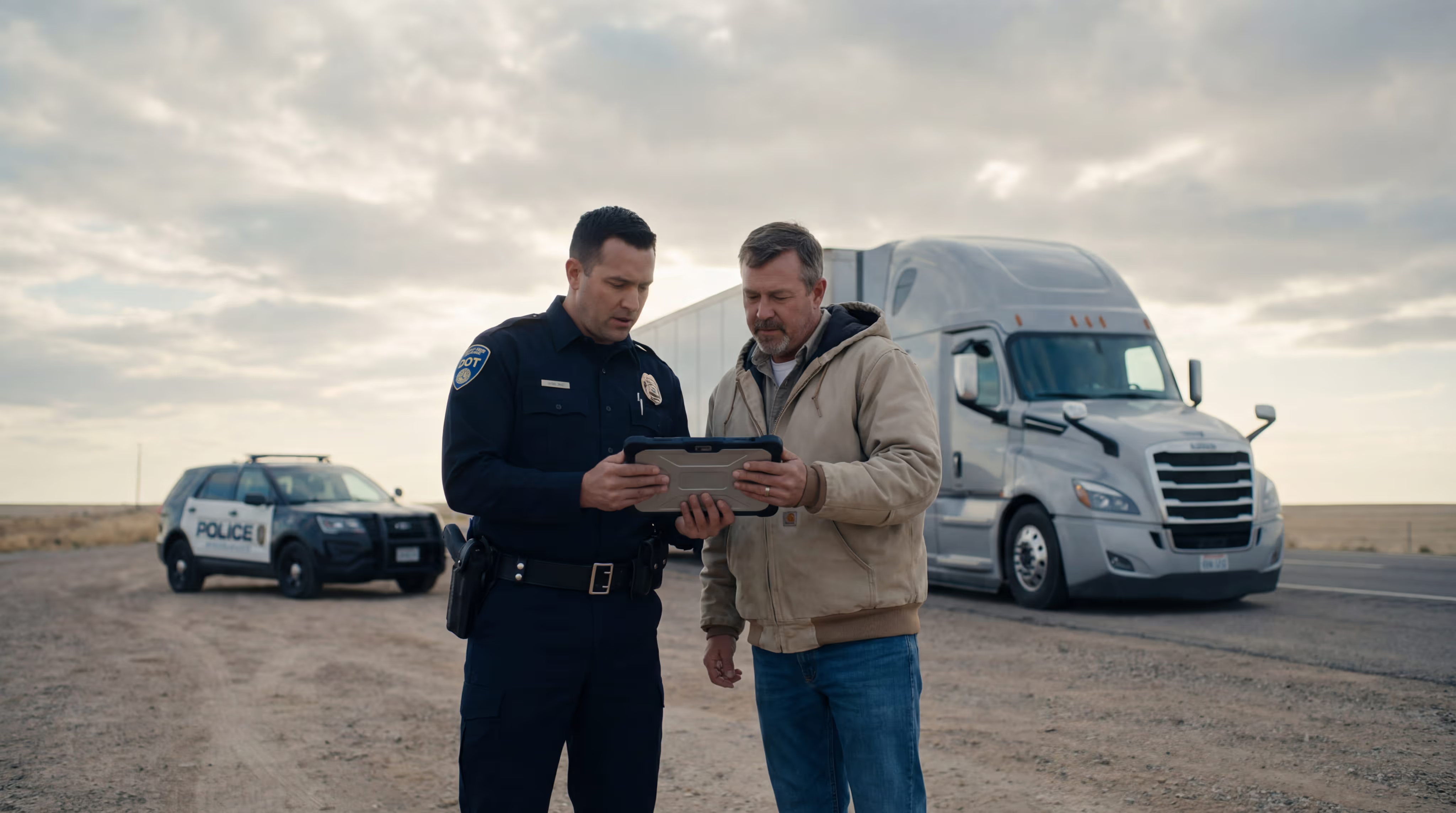
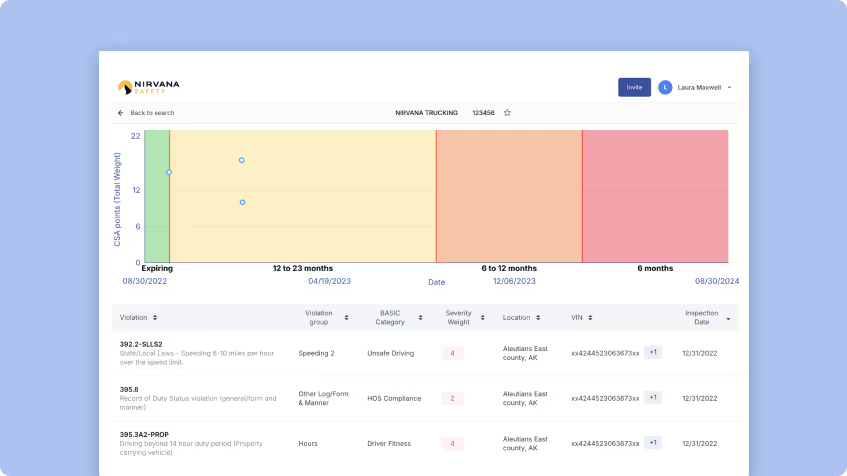
The BASIC (Behavior Analysis and Safety Improvement Category) for Vehicle Maintenance is a lagging indicator. It captures maintenance violations discovered during roadside inspections — brake defects, lighting failures, tire problems — and uses that data to build a trend over time.
The challenge: inspections are random and infrequent. Your fleet might log thousands of miles between DOT stops. That means a real maintenance problem can build quietly for weeks before it ever shows up in your BASIC score.
By the time it does, you may already have:
- An out-of-service violation on your record
- A driver sitting on the side of the road waiting for repairs
- A potential liability event that could have been prevented
Telematics Fills the Gap the BASIC Can't
This is where modern fleet telematics changes the equation.
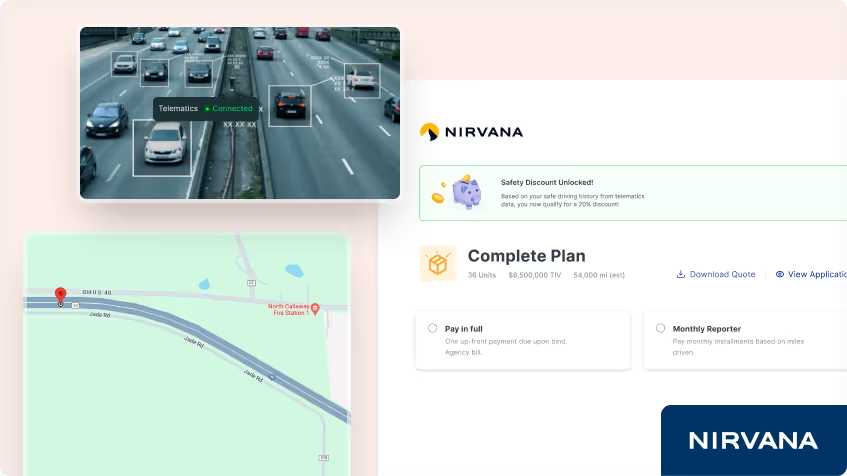
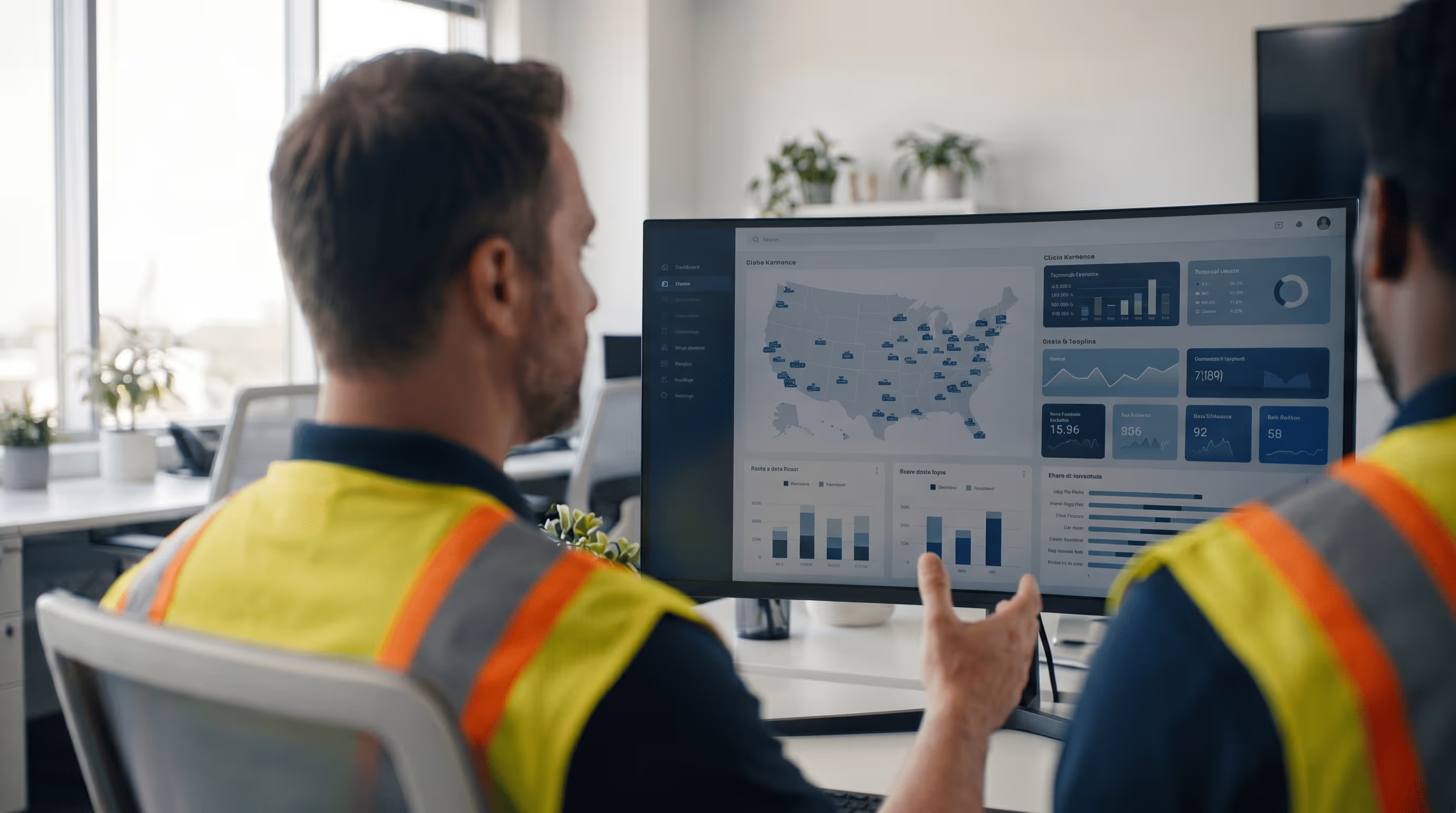
Your vehicles are generating maintenance signals every mile they run. Diagnostic trouble codes, brake-wear patterns, tire-pressure trends, engine-health indicators — all of it is available in real time, if you're looking at it.
Telematics transforms maintenance from a reactive process into a proactive one. Instead of waiting for an inspector (or a breakdown) to flag a problem, a dedicated safety manager can:
- Monitor fault codes as they appear in daily telematics feeds
- Track brake and tire wear trends before they cross into defective territory
- Flag vehicles for shop review before they hit the road the next morning
- Document the corrective action — creating a defensible record for future inspections or litigation
The difference matters. A fault code that appears in September telemetry, caught and corrected by your team, never becomes a BASIC hit in November. That's not just a compliance win — it's a safety win.
BASIC Trend vs. Actual Maintenance Health
Here's a comparison that every safety manager should keep in front of them:
- BASIC score: A lagging indicator built on sparse roadside data. Updated periodically. Reflects what inspectors found.
- Telematics maintenance health: A leading indicator updated daily. Reflects what your trucks are actually telling you.
A fleet with a clean BASIC score is not necessarily a fleet in good mechanical health. And a fleet with a slightly elevated BASIC score may have already corrected the underlying issues — but that correction won't show in the score until enough inspection data cycles through.
The fleets that manage both — using telematics to drive real-time maintenance decisions and monitoring BASIC trends as a longer-term benchmark — are the ones best positioned to reduce out-of-service violations, lower exposure to catastrophic breakdowns, and demonstrate a defensible maintenance culture if a claim ever goes to court.
Fall Fleet Prep: Read What Your Trucks Are Telling You
September is a natural inflection point. Before winter weather adds another layer of mechanical stress, this is the time to close any gaps between your BASIC trend and your actual fleet condition.
A practical fall maintenance review should include:
- Audit your telematics alerts from the last 60 days. Are there recurring fault codes on specific vehicles? Patterns worth investigating before temperatures drop?
- Compare your BASIC score against your shop records. If your score is trending up but your repair logs show consistent corrective action, make sure your documentation reflects that clearly.
- Review brake and tire condition fleet-wide. Both are among the most common sources of maintenance BASIC violations — and both are highly sensitive to winter conditions.
- Ensure fault code response protocols are documented. When a code appears, who sees it? What's the response time expectation? Is the resolution logged?
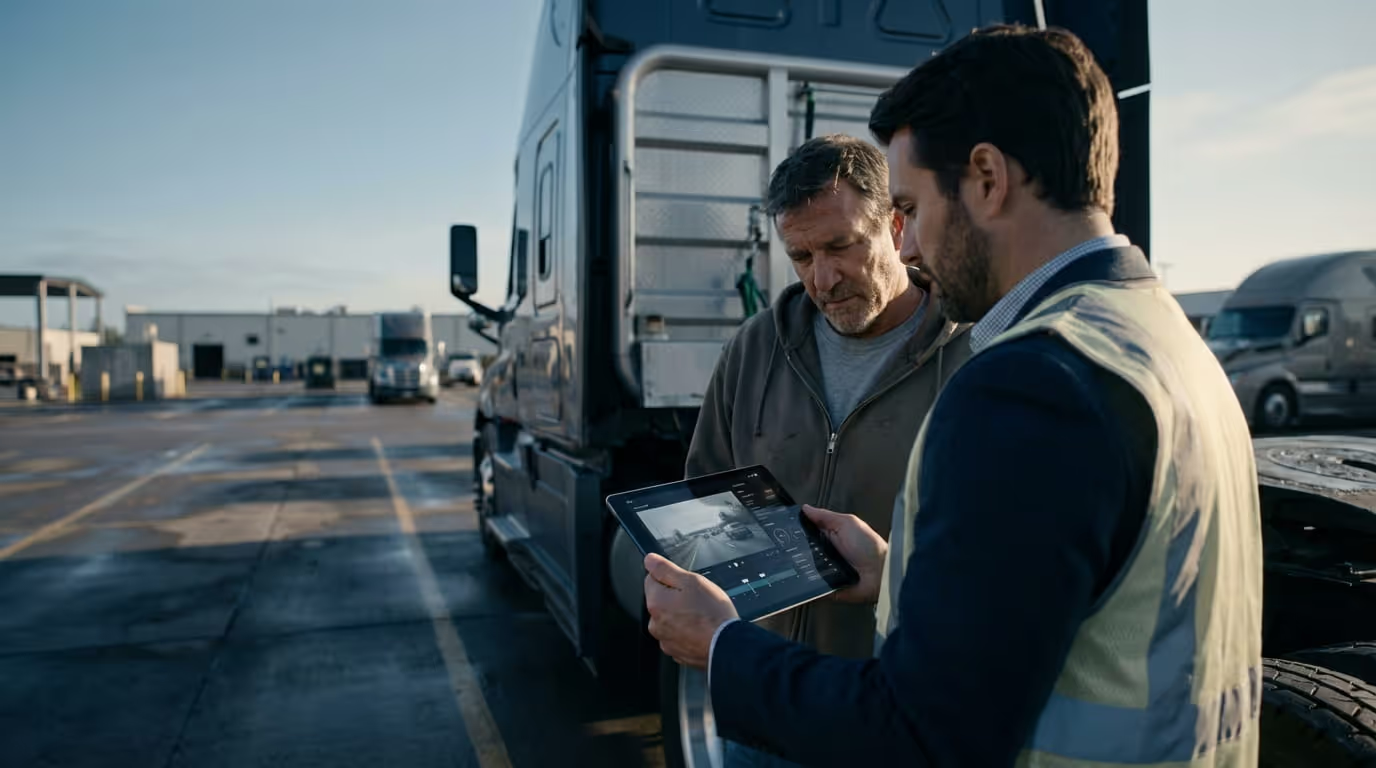
- Brief your drivers on the link between their pre-trip reports and your BASIC score. Drivers who understand the stakes are more likely to flag early warning signs rather than defer to the next stop.
Your Safety Manager Is Your First Line of Defense
The FMCSA's data infrastructure is built to catch what inspectors find. Your telematics platform is built to catch everything else.
But neither tool does much without a dedicated safety manager reviewing the data, acting on it promptly, and building the documentation trail that protects your fleet when it matters most.
At Nirvana, we work with fleet safety managers every day who are doing exactly this work — using real-time data to get ahead of maintenance issues before they become violations, claims or worse. Our safety team is available to help you interpret your BASIC trends, build response protocols around your telematics data, and make sure your fall prep positions you for a safer, stronger Q4.
The best maintenance violation is the one that never makes it onto a roadside inspection report — because your team already handled it.
Want to talk through your fleet's Vehicle Maintenance BASIC trends or fall prep strategy? Reach out to the Nirvana Safety team — we're here to help.












.avif)